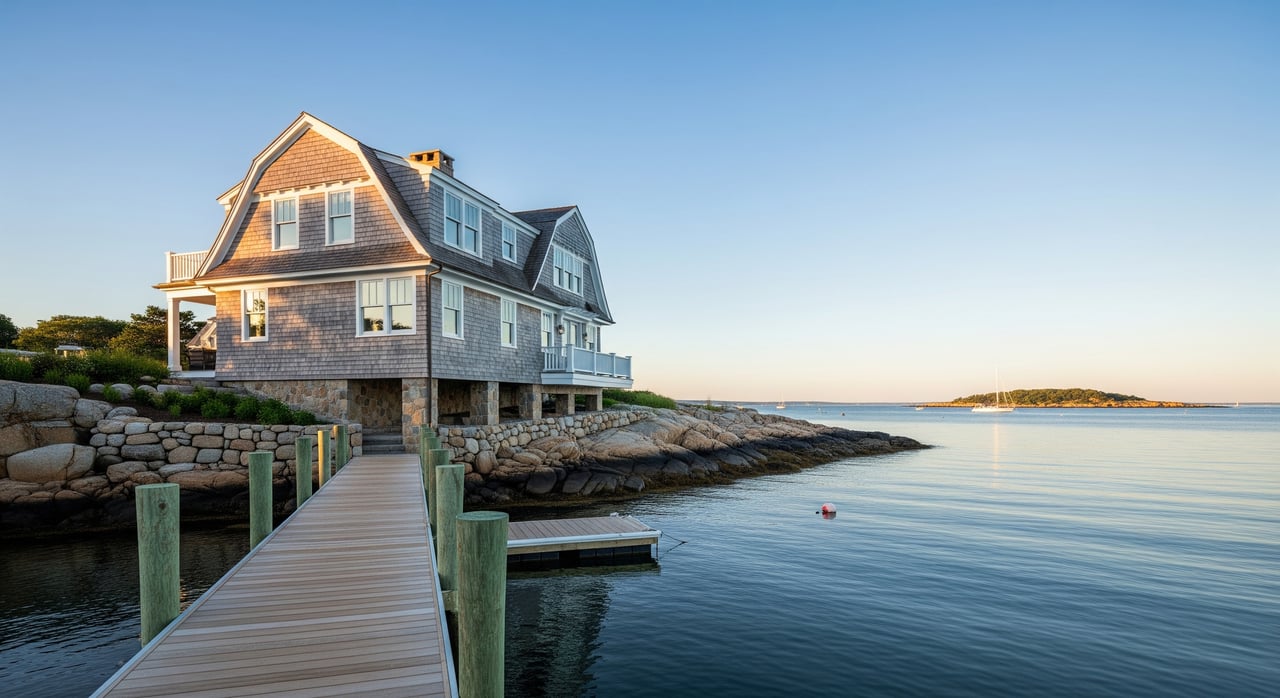
Thinking about a home where coffee comes with ocean views and salty air? If you are considering Cape Ann for a primary or second home, you want clarity on pricing, inventory, and the right timing to buy. In this guide, you will learn what drives value on the waterfront, how seasonality works in Gloucester, Rockport, and Essex, and a practical checklist to protect your investment. Let’s dive in.
Cape Ann at a glance for buyers
Cape Ann’s waterfront and water-view homes form a niche market with low inventory. A single new listing can shift the numbers, so you need to read trends with care. Activity typically peaks in spring and summer, while buyers sometimes find more flexibility in late fall and winter when choices are fewer.
Access is a major advantage. The MBTA commuter rail serves Rockport and Gloucester, and Route 128 connects you to Greater Boston. This convenience keeps demand steady compared with more remote coastal areas.
- Gloucester offers the largest and most varied stock, from working-waterfront areas to historic districts and luxury pockets.
- Rockport has smaller inventory and strong appeal to second-home buyers who value the arts and a walkable village setting.
- Essex skews to riverfront, estuary, and bay exposures, with lower inventory and a more rural feel in places.
Market basics to monitor
Because this is a small, specialized segment, focus on town-level trends for Gloucester, Rockport, and Essex rather than broad county averages. Key indicators to watch include:
- Active listings and months of inventory
- New listings per month and pending-to-active ratio
- Median list and sale prices, plus price per square foot
- Days on market and the pace of price reductions
Look at 1-, 3-, and 5-year trend lines to understand momentum or cooling. Seasonality is real on Cape Ann, so compare spring-summer to fall-winter rather than only month-to-month snapshots.
Pricing and value drivers
For waterfront and water-view homes, value comes from a mix of setting, structure, and permissions. The most influential factors include:
- Water exposure type. Direct, private waterfront with dock or boat access usually commands the largest premium. Protected harbors, open ocean, marsh, or estuary settings carry different price patterns.
- Parcel features. Dock or mooring rights, beach frontage, lot topography, and seawall or riprap condition affect both enjoyment and long-term costs.
- Views and orientation. Panoramic, unobstructed views with favorable light tend to price higher than partial or seasonal views.
- Structure and resiliency. Elevation, foundation type, flood certificates, seawall status, and protected utilities can reduce risk and improve insurability.
- Design and finishes. Updated coastal renovations, durable materials, and indoor-outdoor living spaces resonate with design-minded buyers.
- Zoning and public trust rights. Massachusetts Chapter 91 and local conservation rules can shape how you use or improve waterfront areas.
- Proximity to Boston. Cape Ann’s commute options and services add a location premium versus more remote coastlines.
Avoid relying on one-size-fits-all premiums. Waterfront pricing can vary widely by town, exposure, and improvement level. Compare town-level waterfront medians to inland medians for a practical gauge of relative value.
Gloucester, Rockport, and Essex nuances
- Gloucester’s scale means more variety in age, style, and exposure. You will find historic cottages, midcentury homes, and contemporary renovations, often within a short drive to services and commuter options.
- Rockport’s smaller inventory creates scarcity, with many buyers focused on views, walkability, and arts-driven appeal.
- Essex features river and estuary frontage where docks, moorings, and conservation overlays often matter. Inventory is limited, so timing and preparation are key.
Seasonality and timing
Listings and showings tend to surge in spring and summer. Expect more competition for the most desirable properties during these months. In late fall and winter, you may find more negotiating room, though your choices will narrow. If you shop off-season, plan for limited visibility into certain conditions, such as how a shoreline handles summer boat traffic or how outdoor spaces live in warm weather.
For in-demand listings, strong offer strategies can include concise timelines, clear financing, and escalation language when local market conditions support it. In softer subsegments, inspection flexibility and closing terms may matter more than price alone.
Smart timing strategies
- Get fully underwritten pre-approval for financing, or proof of funds for cash purchases, before touring.
- Track new-listing cadence in each town so you can act quickly on fits.
- Consider off-season tours to reduce competition, while planning a follow-up visit in peak season if possible.
- Build in time for specialized inspections and document review, especially for seawalls, docks, and flood-related items.
- Set a realistic ceiling informed by town-level comps for both waterfront and inland properties.
Due diligence checklist
Use a structured approach before you write an offer and during the contingency window. Key items include:
- Survey and legal frontage description. Confirm true waterfront versus view-only, and verify line-of-high-water language.
- FEMA flood zone and elevation certificate. Obtain current documentation for insurance and underwriting.
- Title search and recorded rights. Identify easements, rights-of-way, and any public access claims that could affect use.
- Shoreline condition. Inspect seawalls, riprap, erosion patterns, and past stabilization work. Request permits and maintenance history.
- Structural inspection tailored to marine conditions. Focus on salt corrosion, framing connections, fasteners, window and roofing systems, and utility placement.
- Septic and well documentation if applicable. Verify capacity, replacement history, and compliance with local rules.
- Docks and moorings. Confirm ownership, licensing, permit history, and any harbor or conservation restrictions.
- Environmental and conservation constraints. Understand coastal wetlands buffers, overlay districts, and municipal setbacks.
Permits and rules to know in Massachusetts
- Massachusetts Chapter 91. Public tidelands and certain waterfront structures are subject to state oversight, which can condition or limit improvements.
- Local conservation commissions and coastal zone management. Permits and setbacks can affect additions, shoreline work, or landscape changes.
- Harbor commissions and municipal approvals. Docks, floats, and navigation-related structures often require specific approvals.
- Historic districts and design overlays. Exterior work in parts of Rockport and Gloucester may have additional review.
Insurance, financing, and ownership costs
Flood insurance is often required if the home is in a Special Flood Hazard Area. Premiums and deductibles vary by property specifics, elevation data, and carrier. Confirm current coverage and costs early in your process.
Homeowners insurance on coastal properties may include wind or hail surcharges and corrosion-related exclusions. Review policy forms, limits, and deductibles so you understand true carrying costs.
Financing for second homes differs from primary residences. Some loans are not available for second homes, and higher-priced properties may need jumbo financing. Work with a lender experienced in coastal and second-home underwriting in Massachusetts.
Marine environments accelerate wear. Plan for more frequent maintenance on roofing, windows, decking, and metals. Seawalls and revetments can require periodic work and future capital projects. Verify property tax history with the town assessor and confirm utility connections or seasonal service differences.
Cape Ann vs other New England coasts
If you are comparing Cape Ann with other regional options, consider these tradeoffs:
- Versus Cape Cod and islands. Cape Ann is generally closer to Boston and often offers a lower entry price than popular islands and prime Cape towns, with fewer resort-market amenities but strong year-round services.
- Versus southern New Hampshire or Maine. Some towns to the north may offer lower price per square foot, but Cape Ann tends to be more accessible to Greater Boston and offers robust cultural and working-waterfront activity.
Cape Ann’s mix of renovated designer homes and classic cottages, plus practical commute options, makes it a compelling choice for both primary and second-home buyers.
Waterfront vs water-view tradeoffs
- Cost. Direct waterfront usually prices higher than a comparable water-view property.
- Privacy and use. Waterfront brings access benefits, but public trust rights and Chapter 91 can shape use at the water’s edge.
- Maintenance. Salt exposure and shoreline structures add upkeep compared with inland homes.
- Insurance and financing. Flood zones and structure elevation can change insurance requirements and loan options.
Designer-ready or fixer-upper
- Designer-ready. Move-in renovations with durable materials and modern layouts reduce early capital needs and can support future resale.
- Fixer-upper. Renovating in a marine environment requires careful budgeting for corrosion-resistant materials, fenestration, and exterior systems. Factor in permits, conservation reviews, and contractor availability.
- Resale. Well-executed coastal upgrades, documented resiliency measures, and protected views typically appeal to future buyers.
How we help you buy wisely
You deserve advice that blends neighborhood-level insight with disciplined, data-informed strategy. We evaluate town-specific comps for waterfront and inland segments, monitor live inventory signals, and coordinate the right specialists for seawalls, flood, and permitting so you can make confident decisions. From curated tours to negotiation and closing, our process is built for clarity and results.
Ready to explore Cape Ann waterfront options or request a tailored market read on Gloucester, Rockport, or Essex? Schedule your free consultation with Henry Gourdeau.
FAQs
What drives Cape Ann waterfront prices?
- Exposure type, parcel features, view quality, structural resiliency, design, and local permitting shape value more than square footage alone.
How competitive are Gloucester and Rockport listings?
- Competition rises in spring and summer when inventory and buyer activity peak, with the most desirable homes drawing faster offers.
When is the best time to buy on Cape Ann?
- Spring and summer provide more choice, while late fall and winter can offer negotiation room with fewer listings available.
What inspections are essential for coastal homes?
- Order a marine-aware structural inspection, shoreline assessment, flood and elevation documentation, septic reports, and verification of docks or moorings.
How does flood insurance affect my budget?
- If the home sits in a mapped flood zone, insurance is often required; costs vary by elevation and structure, so confirm premiums early.
Can I add or expand a dock in Gloucester, Rockport, or Essex?
- Dock projects often require harbor and conservation approvals and may involve Chapter 91, so review permits and feasibility before you buy.