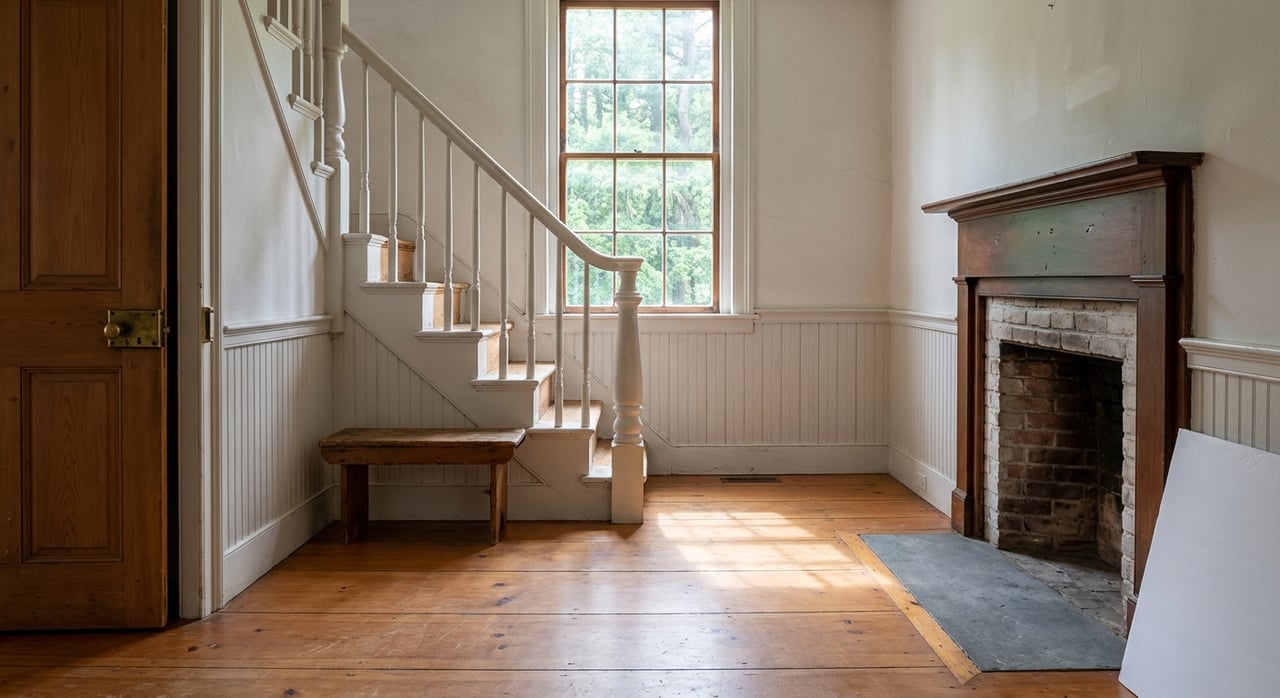
If you have your eye on a classic Federal on Chestnut Street or a Victorian near the waterfront, you already know Salem’s historic homes have a special pull. You also know older properties come with unique rules, inspections, and budgets. This guide breaks down the essentials so you can buy with confidence, protect the home’s character, and avoid costly surprises. Let’s dive in.
Salem’s historic homes at a glance
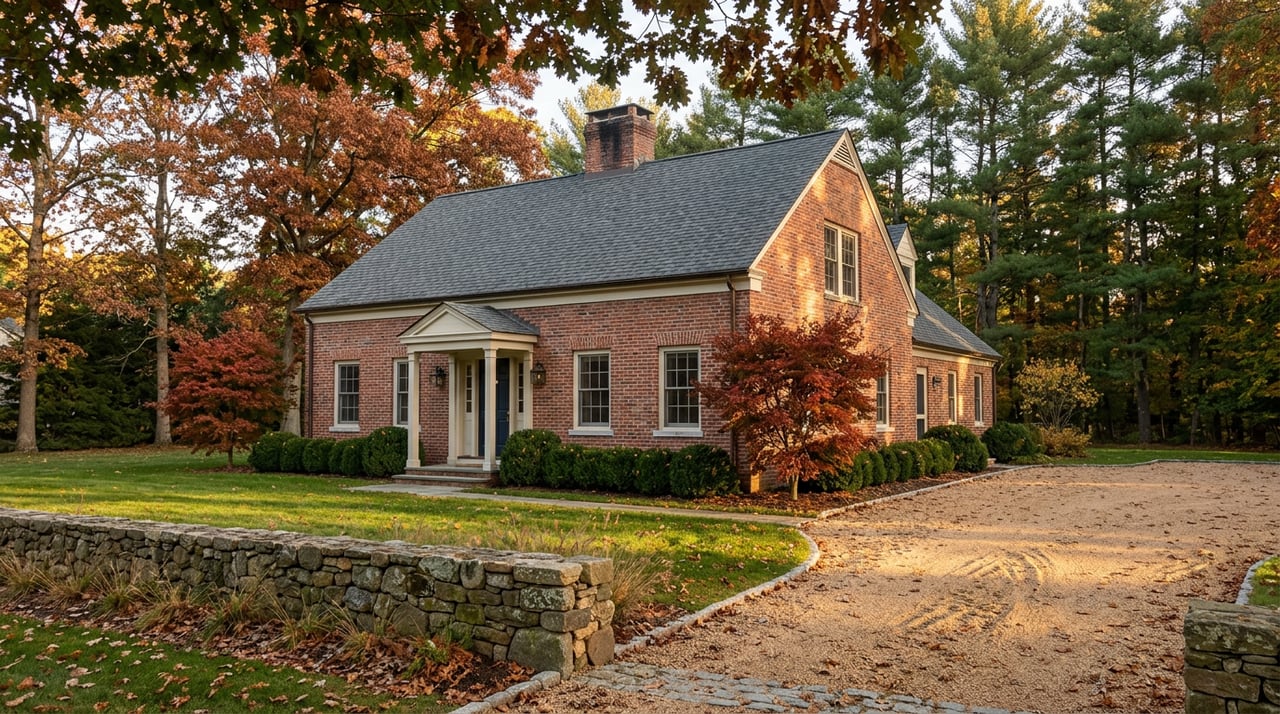
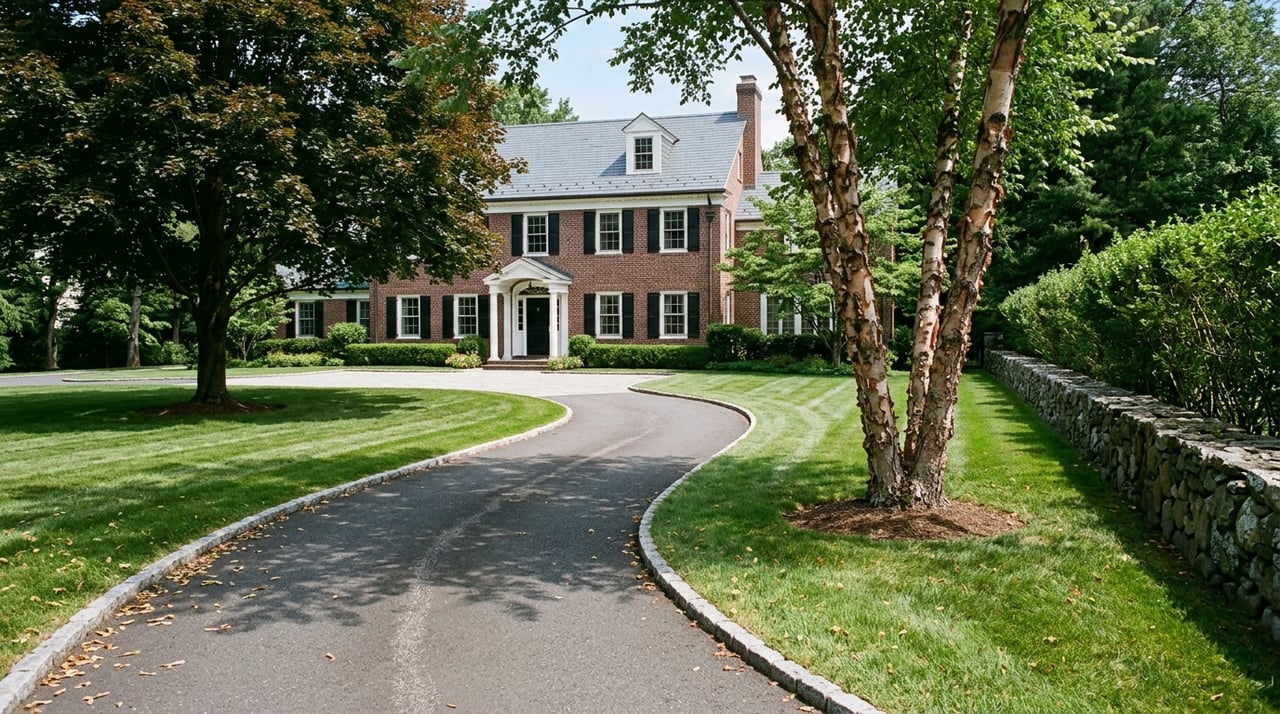
Salem offers one of New England’s best concentrations of 18th and 19th century architecture. You will see Georgian and Federal homes, Greek Revival, Italianate, Queen Anne, and later Colonial Revival styles. Many are within National Register districts and local historic districts near Derby Street, Chestnut Street, and Salem Common.
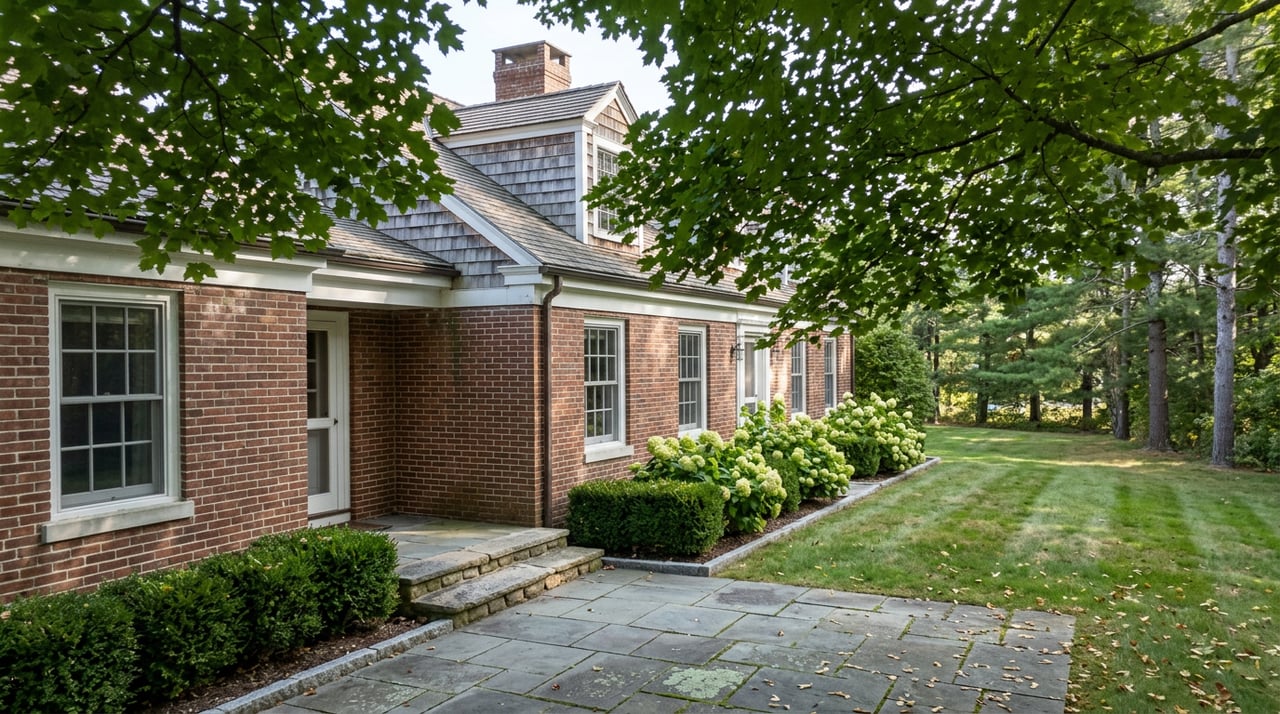
Expect wood-frame construction, plaster walls, original trim and staircases, mature masonry chimneys, and stone or brick foundations. In older cores, you may find slate or cedar roofs and original multi-pane wood windows. Many homes once used oil heat. These features add charm and also shape maintenance priorities for roofing, masonry, chimneys, windows, wiring, and heating.
Before you tour, check whether a property sits inside a local historic district using the city’s Salem’s Local Historic Districts map. Knowing the boundary up front helps you plan any exterior work and timeline.
Rules that shape renovations
Local districts vs National Register
Local historic districts are the designations that regulate exterior changes. In Salem, the Salem Historical Commission reviews applications for Certificates of Appropriateness, Certificates of Non-Applicability, or Hardship for properties inside these districts. Even small exterior items, such as gutters, roofing materials, or window replacement, may require review.
National Register listing is honorific. It does not restrict private owners unless federal funds or permits are involved. Always confirm the property’s status and read the city’s design guidelines before you plan exterior work.
Demolition review basics
Salem’s demolition-delay ordinance sets a review period that is currently described as six months for covered structures. If you are considering a teardown or major exterior changes, assume a public review process and add time for Commission meetings and application deadlines.
Paperwork and timelines
The Commission posts guidelines, forms, and meeting dates on the city website. Application deadlines are set in advance. If your property sits inside a local district, build several weeks into your schedule for review and approvals. Treat the calendar like a project constraint, not an afterthought.
Top inspection priorities
Salem’s older housing stock rewards careful due diligence. Here are the items that most often affect price, financing, or scope.
Lead-based paint (pre-1978): Federal law requires specific disclosures, the EPA/HUD pamphlet, and a 10-day testing window. Renovation that disturbs paint must follow lead-safe work rules. Review disclosures and prior lead reports, and budget for risk reduction if paint is deteriorated. See the federal lead disclosure rules.
Old electrical systems: Knob-and-tube and cloth-insulated wiring appear in many pre-1940 homes. Insurers may charge more or require upgrades. Plan for a licensed evaluation and, in some cases, a phased or full rewire.
Fuel oil systems and underground tanks: Many homes used heating oil. A buried tank, or incomplete removal paperwork, can trigger lender or insurer conditions. Ask for any tank-closure report and fire department permits. Order a professional tank sweep if the presence is uncertain, and follow MassDEP guidance for underground tanks and cleanup if issues arise.
Chimneys, roofing, and masonry: Slate, clay, or standing-seam elements can last for generations but cost more to repair. Repointing and chimney rebuilding are common. Get a chimney sweep inspection and a masonry estimate. Review Massachusetts roof replacement costs by material to set realistic expectations.
Foundations and moisture: Stone or brick foundations can conceal water intrusion. Hire an inspector familiar with older construction and add a structural engineer if you see large cracks or unusual movement. Include drainage and roof-runoff improvements in your estimate.
Pests and wood-destroying insects: Termite or other WDI inspections are prudent in older homes and may be required by some lenders.
Hazardous materials: Asbestos in pipe insulation, floor tile, or siding and lead paint cleanup require licensed pros and special disposal. Consult local guidance and budget for abatement where needed.
Specialist inspections to order
Besides a standard home inspection, consider:
- Licensed electrician assessment
- Chimney sweep and Level 2 chimney inspection (if in service)
- Masonry contractor evaluation and estimate
- Fuel tank sweep and verification of closure documents
- Sewer scope if clay or old lines are suspected
- Termite or WDI report
- Lead paint inspection or risk assessment for pre-1978 homes
- Radon test where appropriate
Plan your renovation and budget
Preserve first, replace second
The National Park Service encourages repair of historic elements when possible. For example, many buyers choose to repair original wood windows and add storms rather than replace them. This approach can preserve character and deliver strong performance over time. Review NPS guidance on repairing historic windows before you decide.
Budgets and contingencies
Roofing: Asphalt is usually the least expensive. Slate and specialty metals cost more and require experienced installers. Regional guides confirm wide cost differences by material, so collect multiple local bids and plan for historically sensitive specifications.
Electrical updates: Replacing obsolete wiring often requires careful planning to protect plaster and trim. Get quotes from licensed electricians with old-home experience.
Window work: Restoration with storms is often competitive with replacement and can perform well over the long term. Seek bids from a contractor who knows historic sash repair.
Masonry and chimneys: Distinguish between cosmetic repointing and structural work. Ask contractors to put both into separate line items.
Contingency: Budget at least 10 to 20 percent above contractor estimates for hidden conditions like rot, concealed wiring, or needed reinforcement.
Financing your improvements
If you plan to renovate right after closing, purchase-plus-renovation mortgages can bundle the project into one loan. Products include FHA 203(k) and Fannie Mae HomeStyle Renovation. These loans require contractor bids, plans and specs, and an as-completed appraisal. They also use draw schedules that affect timing. See an overview of FHA 203(k) and HomeStyle Renovation loans as you evaluate options.
Historic tax credits and eligibility
The Federal Historic Rehabilitation Tax Credit offers 20 percent for certified rehab of income-producing historic buildings. Owner-occupied single-family homes do not qualify. Learn the basics in the Federal Historic Rehabilitation Tax Credit overview.
Massachusetts also offers a competitive state credit of up to 20 percent for certified rehab of income-producing properties through the Massachusetts Historical Commission. Read about the Massachusetts Historic Rehabilitation Tax Credit and consult early if your plan includes rental or mixed-use.
Energy rebates and comfort
Do not overlook building performance. Programs like Mass Save can offset air sealing, attic insulation, and heat pump upgrades for older homes. Coordinate energy work with preservation goals so you protect original fabric while improving comfort. Explore Mass Save rebates and weatherization guidance.
Your pre-offer checklist
Use this quick workflow before you commit:
- Confirm historic status: Check city maps to see if the home is within a local historic district and review any applicable guidelines. Ask if prior Certificates of Appropriateness, demolition waivers, or preservation easements exist.
- Request disclosures and records: Obtain the seller’s property disclosure, oil tank removal or closure documents, permits for past work, and any inspection or contractor reports.
- Include smart contingencies: Add a full home inspection plus specialist inspections where needed. If the property is inside a local district, include time to confirm feasibility with the Salem Historical Commission. Align your financing contingency with renovation loan timelines when relevant.
- Plan for timing: Commission applications and meeting cycles can add weeks. Build that into your closing and construction schedule.
- Assemble the right team: Favor contractors and preservation architects with Salem experience. Ask for references and detailed, line-item bids, especially for masonry, electrical, and window restoration.
How we help you buy with confidence
Buying a historic home is about vision and diligence. You need a local advisor who knows where to look, how to structure protections, and how to keep timelines on track around Commission calendars and lender rules. You also want a clear plan for preserving high-value elements while modernizing systems and comfort.
If you are considering a historic property in Salem or the North Shore, let’s talk strategy, timing, and budget so you can move forward with clarity and confidence. Schedule your free consultation with Henry Gourdeau.
FAQs
What makes a home in Salem “historic” for buyers?
- Salem recognizes several local historic districts and National Register districts. Local districts trigger review for exterior changes, while National Register listing is honorific unless federal funds or permits are involved.
Do I need approval to replace windows in a local Salem district?
- Often yes. The Salem Historical Commission may require a Certificate of Appropriateness for window changes in local districts, so review guidelines and plan time for approval.
How long can Salem reviews delay a project?
- Allow several weeks for Commission applications and meetings. Demolition of covered structures can face a six-month delay period under the city’s demolition-delay ordinance.
Can I use historic tax credits on an owner-occupied single-family?
- Generally no. Federal and Massachusetts historic rehabilitation tax credits are designed for income-producing properties, not typical owner-occupied single-family homes.
What inspections should I prioritize for an 1800s Salem home?
- Order a full home inspection plus lead paint evaluation, electrical assessment, chimney and masonry checks, a tank sweep if oil heat is suspected, termite inspection, and a sewer scope when older lines are likely.
How can I finance renovations right after closing?
- Consider a purchase-plus-renovation loan, such as FHA 203(k) or Fannie Mae HomeStyle. These loans require contractor bids, plans, and an as-completed appraisal with draw-based disbursements.