Thinking about crossing the state line for your next home? You are not alone. Many buyers compare the Massachusetts North Shore with Southern New Hampshire to find the right mix of price, space, commute, and long-term costs. In this guide, you will learn how these markets truly differ, what to expect in the process, and how to test the tradeoffs for your situation. Let’s dive in.
Price and affordability
If you want more house and land for your money, Southern New Hampshire often delivers. Many buyers find larger lots and newer homes at similar or lower purchase prices compared with several North Shore towns. Exact price gaps vary by town, proximity to Boston, and neighborhood characteristics.
On the North Shore, coastal and near-commuter hubs tend to carry higher median sale prices. Demand near historic downtowns and transit can keep inventory tight, especially for single-family homes. In Southern NH, you often see a wider range of lot sizes and newer subdivisions, which can expand your choices at a given budget.
The bottom line is simple. Prices shift by town and even by neighborhood. If you are comparing Salem or Peabody to Nashua or Merrimack, you should pull current median prices and recent comparable sales to see today’s actual numbers before you decide.
Housing mix and lot sizes
Housing styles differ as soon as you cross the border.
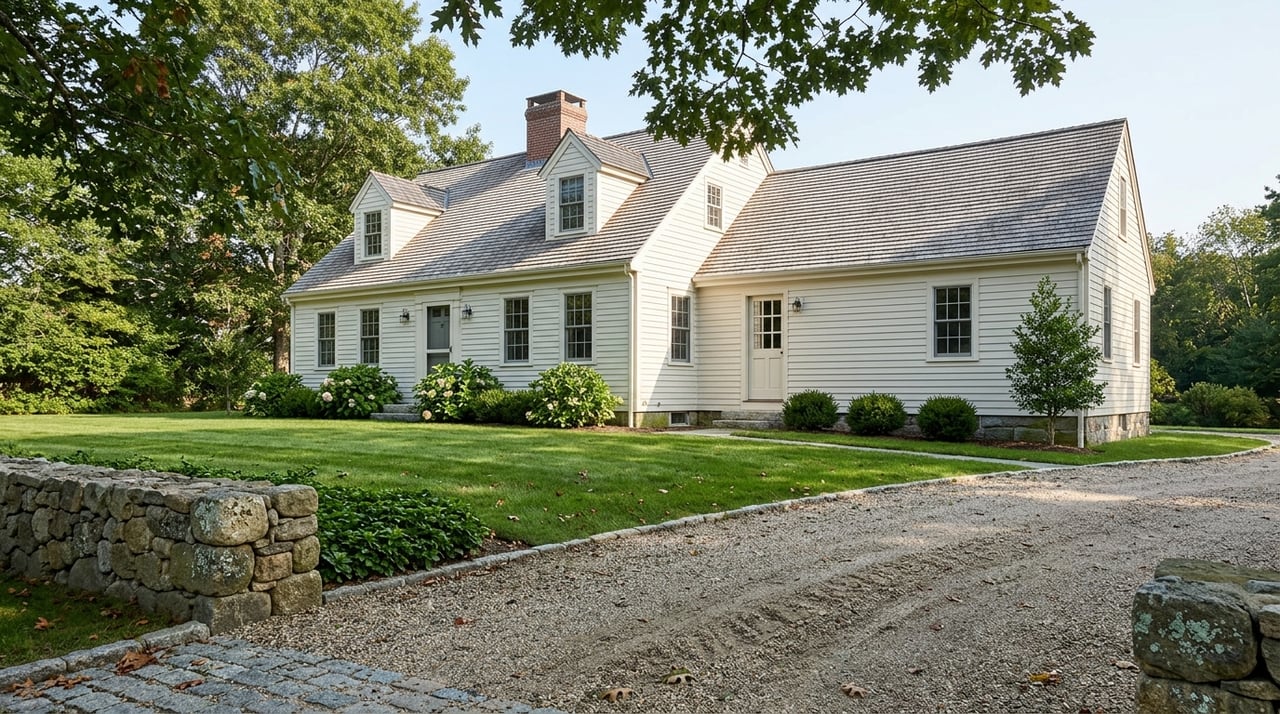
- North Shore MA: You will see more historic housing, attached townhomes and condos, and denser in-town neighborhoods. Multi-family properties are more common near downtowns and commuter rail.
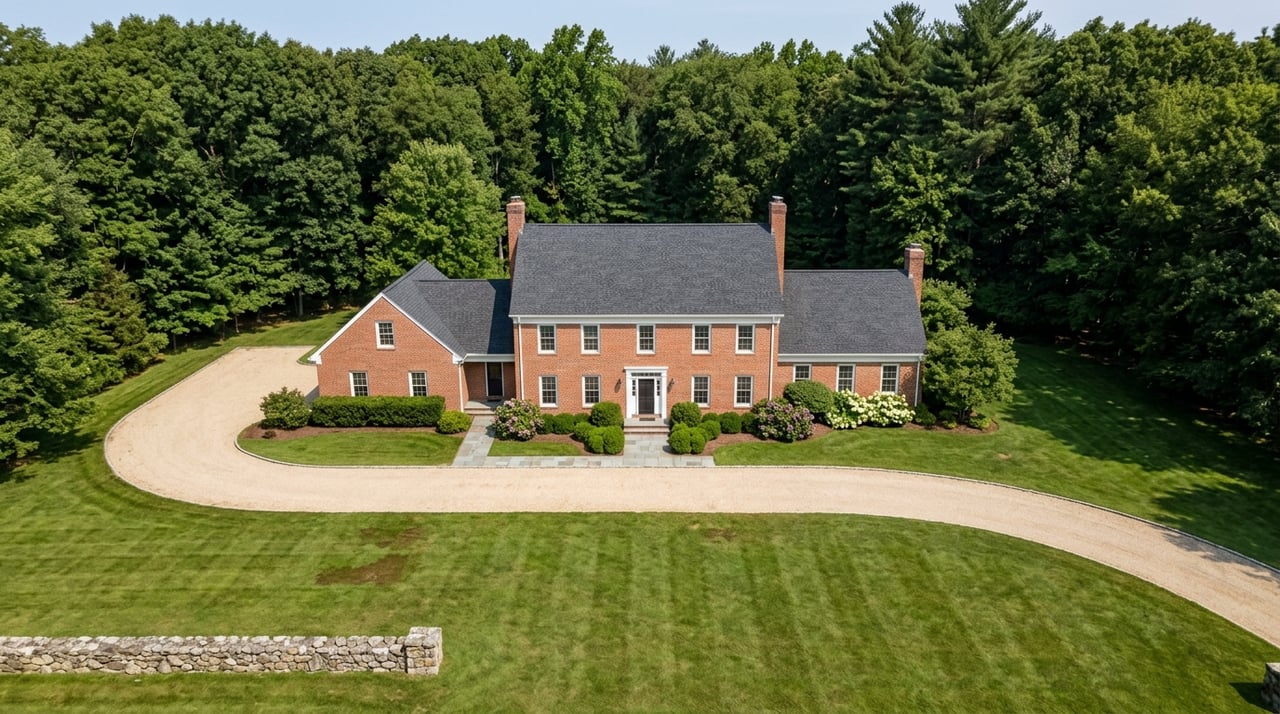
- Southern NH: You will see a higher share of single-family homes on larger lots, newer subdivisions, and more rural settings farther from I-93 and I-95 corridors.
If you want period architecture and walkable village centers, the North Shore offers plenty. If you want a newer colonial on a larger lot, Southern NH puts more of those homes in reach.
Taxes and ongoing costs
Your monthly budget is more than a mortgage payment. Taxes and recurring costs change the picture.
- State taxes: Massachusetts has a state income tax and a state sales tax. New Hampshire has no broad-based income tax and no general sales tax. This can improve the net cost of living for some households, especially those commuting to jobs out of state.
- Property taxes: New Hampshire often has higher property tax rates per $1,000 of assessed value, while assessed values themselves may be lower than in many North Shore towns. Because assessments and rates vary by municipality, the only accurate comparison is the actual tax bill for each property.
Run the numbers for the specific homes you are considering. Look up the current tax rate, last assessed value, and recent tax bill for each address so you can compare total carrying costs.
Insurance and risk profile
Property risk affects both cost and peace of mind.
- Coastal North Shore: Homes near the ocean can face higher flood and wind exposure. Budget for flood insurance where required and confirm coastal permitting limits before major renovations or additions.
- Southern NH inland: Flood risk is generally lower away from the coast, although every property is unique. Winter weather and site conditions still matter, so budget for seasonal maintenance and verify drainage and well or septic system status where applicable.
If a property is in or near a mapped flood zone, get insurer quotes early. For coastal addresses, ask about setbacks, conservation restrictions, and any required engineering.
Commute and transportation
Your daily routine is a major factor in value.
- North Shore MA: Many towns offer shorter drives to Boston job centers and some have MBTA commuter rail or ferry options. That can be decisive if you want to avoid daily highway driving.
- Southern NH: Towns along I-93 and I-95 can be practical for Boston commutes, but highway congestion and tolls impact trip times. If your job is in Southern NH or along the border, the commute can be comparable or better.
Test your commute at the times you actually travel. Drive it during rush hour. If you rely on public transit, map your door-to-door timing from candidate addresses.
Closing timelines and process
The transaction mechanics in both states are more similar than different.
- Typical closing window: Many conventional sales close in about 30 to 45 days from offer acceptance, with a wider range of 30 to 60 days depending on financing, inspections, title, and whether you are paying cash.
- Offers and contingencies: In competitive neighborhoods on both sides of the border, sellers may receive multiple offers. Shorter inspection windows or stronger terms can help, but they increase buyer risk. Contingency norms are broadly similar across both markets.
- Professionals and escrow: Attorneys, title searches, title insurance, and escrow handling are common in both states. The exact division of responsibilities can vary by local custom, so confirm who handles each step on your file.
- Septic and municipal rules: Many Southern NH properties use septic systems. In Massachusetts, some towns require Title 5 septic inspections at the time of sale. Coastal MA properties may have added permit or engineering steps, especially for work in floodplains or near wetlands.
If your purchase involves new construction, coastal permitting, or complex title history, build in extra time for due diligence and municipal reviews.
What you will notice by town
It helps to think in terms of local examples rather than broad generalizations.
- North Shore samples: Salem, Peabody, and Beverly offer historic neighborhoods, downtown amenities, and in some areas access to commuter rail. Densities are higher and condos or multi-family homes are more common near town centers.
- Southern NH samples: Nashua, Merrimack, Hooksett in the 03106 area, and Raymond show more single-family neighborhoods and newer subdivisions, with larger lots as you move away from the major corridors.
These patterns are typical, but each street can be different. Always check the property’s utility type, age, lot setting, and resale comps to understand value.
Who tends to move where
Recent buyer patterns reflect practical tradeoffs.
- Commuters: Many Boston-area professionals look to Southern NH for more space while accepting a longer drive.
- Growing households: Upgraders move north for a larger yard, newer construction, or a lower monthly payment for a similar-sized home.
- Downsizers and retirees: Some choose coastal MA for amenities and walkability, while others select NH for tax considerations and simpler maintenance away from the coast.
- Investors: The North Shore offers a higher share of small multi-family properties in established neighborhoods. Southern NH presents different yield profiles and more single-family rentals or newer builds.
Post-2020, demand for space increased on both sides of the border. Today, inventory tightness and seasonality vary by town, so current MLS data is essential.
How to compare specific homes
Use this checklist to create an apples-to-apples view of your finalists.
- Pull current median sale price and days on market for each town you are considering.
- Review recent comparable sales for similar size, age, location, and lot characteristics.
- Verify the property’s latest tax bill, assessed value, and current tax rate.
- Confirm utilities: public sewer or on-site septic. If septic, ask about age, capacity, and any required certification or inspection.
- Check for flood risk using official flood maps. If applicable, obtain flood insurance quotes.
- Ask planning or conservation offices about any restrictions, wetlands, or coastal setbacks that affect additions or rebuilding.
- Map your commute during peak times. If you rely on transit, run a full door-to-door test.
- Identify the school district that serves the address and review publicly available district information and enrollment trends.
- Ask your lender and closing attorney about realistic closing timelines in that town, including any registry or town clerk scheduling quirks.
Five steps to a confident decision
Here is a simple plan you can follow.
- Define the non-negotiables. Lot size, commute time, bedroom count, and renovation tolerance should be clear before you tour.
- Shortlist 3 to 5 towns on each side of the border. For example, pair a North Shore town you like with a Southern NH town at a similar commute distance.
- Collect hard numbers. Use MLS and assessor data for prices, days on market, and property taxes, then request recent comps for each neighborhood.
- Test the total monthly cost. Combine mortgage, property tax, estimated insurance, and commute costs to see your true budget picture.
- Validate on the ground. Drive the routes, tour at different times of day, and speak with your agent and local officials about permits, utilities, and timelines.
Key takeaways
- Expect higher prices and denser housing choices in many North Shore towns, with strong demand near coastal amenities and transit.
- Expect more single-family options, larger lots, and newer builds in many Southern NH communities, with varying property tax bills by town.
- Closing mechanics are similar, often 30 to 45 days, but septic rules, flood considerations, and local permitting can change your timeline.
- Your best decision comes from town-by-town data, real commute tests, and a clear view of total monthly costs.
Ready to compare towns with current data and a clear plan tailored to you? Connect with Henry Gourdeau to map your cross-border options, review recent comps, and structure a smooth purchase. Schedule your free consultation.
FAQs
How do North Shore and Southern NH prices generally compare?
- In many cases, Southern NH offers larger homes and lots for similar or lower purchase prices compared with several North Shore towns, but exact differences vary by town and proximity to Boston.
What are typical closing timelines in Massachusetts and New Hampshire?
- Conventional sales in both states commonly close in about 30 to 45 days, with a broader range of 30 to 60 days depending on financing, inspections, title, and whether you are paying cash.
How do state and property taxes differ across the border?
- Massachusetts has a state income and sales tax, while New Hampshire has no broad-based income or general sales tax. Property tax rates are often higher in New Hampshire, but assessed values and total bills vary by town.
What should I know about septic, sewer, and inspections when buying?
- Many Southern NH homes are on septic systems, and some Massachusetts towns require Title 5 septic inspections at sale. Always verify the property’s utility type and any required certifications early in due diligence.
How does flood risk affect coastal North Shore homes versus inland NH homes?
- Coastal North Shore properties can face higher flood and wind exposure, which may increase insurance costs and influence permitting. Inland Southern NH properties often have lower coastal flood risk, but each property should be evaluated individually.
Which areas work best if I commute to Boston?
- North Shore towns may offer shorter drives or access to commuter rail or ferry. Selected Southern NH towns along I-93 and I-95 can be feasible for drivers, but you should test route times during peak hours before deciding.