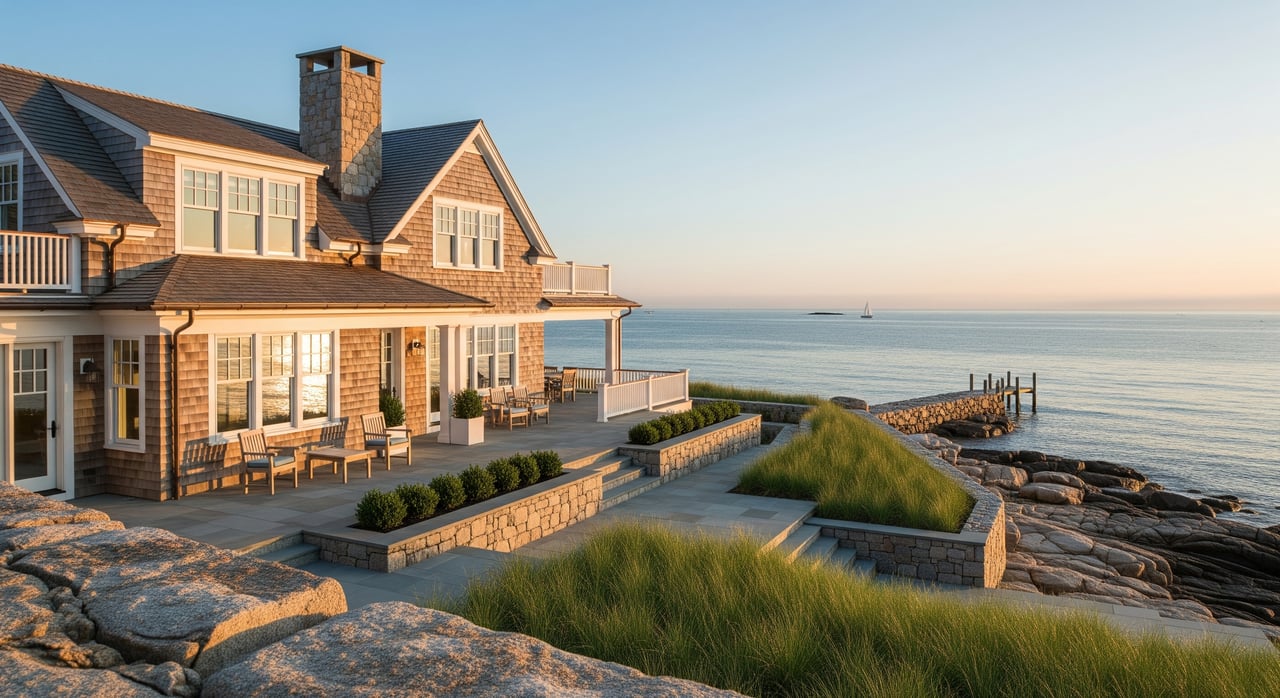
Thinking about a beach escape that might help pay for itself? Buying a second home in Gloucester can blend lifestyle and smart planning, but the details matter. Coastal insurance, flood risk, seasonal demand, and upkeep are different from inland homes. In this guide, you’ll learn the full cost picture, how rentals can offset expenses, and which design choices support long-term value. Let’s dive in.
Why Gloucester works for second homes
Coastal lifestyle close to Boston
Gloucester sits on Cape Ann in Essex County. You get historic harbor views, beaches, boating, an arts community, and a strong culinary scene. Neighborhoods many buyers explore include downtown and the harborfront, Rocky Neck, Eastern Point, Annisquam, Magnolia, and West Gloucester. Each area offers its own character and access to amenities.
The city’s proximity to Greater Boston, including Cambridge, Newton, and MetroWest, makes weekend use realistic. Typical drive times can range from roughly 30 to 60 minutes depending on origin and traffic. That access also supports strong summer and shoulder-season visitor demand.
Who buys here
You see three main groups:
- Lifestyle buyers who value design, coastal access, views, and walkability to dining and galleries.
- Weekend commuters from Boston and surrounding suburbs or seasonal residents from farther away.
- Owners who plan limited rentals to offset costs, often targeting summer and shoulder seasons rather than year-round renting.
Inventory can be tight in sought-after areas, and turnkey or waterfront homes command premiums. Local zoning, condo bylaws, and historic protections can affect renovations, expansion, or rentals, so plan to verify property-specific rules early.
Total cost of ownership
Before you shop, build a full carrying-cost picture. Coastal homes in Gloucester can have higher insurance and maintenance needs, and condos may have rental limitations.
One-time purchase costs
- Purchase price, closing costs, and fees depend on your loan and transaction. Ask local lenders and attorneys for estimates.
- Transfer taxes and recording fees vary by municipality and county.
- Inspections: general, pest, and coastal-specific checks. Consider an inspector familiar with foundations, elevation, shoreline structures, and salt-related wear. Include septic or well inspections if applicable.
Financing for a second home
- Lenders often require larger down payments and cash reserves for second homes. Some programs do not fit second-home use.
- Rates and terms vary. Get preapproved to understand payments, reserves, and property-type limits.
Property taxes
- Property taxes are set by the City of Gloucester Assessors. Rates can change with revaluations. Confirm the current rate and compare recent assessments for similar properties.
Insurance considerations
- Coastal homeowners insurance is typically higher than inland. Budget for the following:
- Standard homeowners insurance for hazard, liability, and contents.
- Wind or hurricane coverage, sometimes priced separately.
- Flood insurance. Lenders require it for FEMA flood zones, and it is often recommended near the shore even if not mapped. Premiums depend on elevation, construction, flood zone, and mitigation. You may need an elevation certificate and can ask about mitigation discounts.
- Request quotes early. Insurance can significantly change your monthly cost and long-term plan.
Utilities and energy
- Heating may be oil, natural gas, or electric. Estimate based on system type, square footage, and winter usage.
- Seasonal use creates spikes when you arrive. Plan for summer electricity if you use A/C and higher winter heating.
- Water, sewer, and garbage vary by service. Septic systems add pumping and maintenance costs on a multiyear cycle.
Maintenance and repairs
- Salt air accelerates wear on paint, decking, windows, and metal fasteners. Budget more for exterior upkeep than you would inland.
- Routine maintenance includes landscaping, gutter cleaning, paint touch-ups, HVAC and chimney service, and dock or boathouse care if applicable.
- Major replacements like roofs, heating systems, and appliances still occur on normal lifecycles. Many owners set aside 1 to 3 percent of property value per year for maintenance, adjusted for coastal conditions.
Seasonalization needs
- Winterize plumbing, irrigation, and any pools. Plan for spring reopening.
- Budget for snow removal and de-icing.
- If you plan to rent, set aside funds for furnishing and guest-ready upgrades such as bedding, kitchenware, smart locks, and safety gear.
Condo or HOA fees
- Monthly fees cover building insurance, common area care, snow removal, and reserves. Review budgets, reserve studies, and meeting minutes.
- Confirm bylaws for any rental caps or minimum rental periods.
Property management and rental operations
- Full-service short-term managers often charge 20 to 40 percent of gross rent, plus cleaning and incidentals. Long-term leases often carry lower management fees.
- If you self-manage, account for listing, messaging, turnover, and your time.
Seasonal patterns and logistics
Demand by season
- Peak demand runs June through August. May and September into early October can bring strong shoulder-season interest thanks to mild weather and fall color.
- Winter demand is lighter unless a home has year-round appeal, such as proximity to arts, events, or year-round restaurants.
- Weekends and holidays like Memorial Day, July 4, and Labor Day see the highest demand for short stays.
Owner logistics to plan
- Test your route from your primary home in different seasons and times of day. Consider airport access if you or your guests fly into Boston-area airports.
- Keep a simple, durable setup for rentals and store off-season or personal items securely on-site or in a local storage unit.
- Build a roster of reliable tradespeople for plumbing, HVAC, carpentry, electrical, cleaning, landscaping, and snow removal.
- Review neighborhood rules and city bylaws for parking, noise, and beach-area regulations. Historic districts and beachfront areas may have stronger community standards.
Will rentals offset your costs?
Start with regulations
- Before counting on rental income, confirm Gloucester’s short-term rental rules, licensing, registration, safety requirements, occupancy tax, and zoning limits. If you are buying a condo, check association bylaws for rental restrictions and minimum lease terms. Rules can change, so re-check before you close.
Build a simple financial model
Start with a transparent framework you can adjust as you learn more:
- Inputs: purchase price, average daily rate by season, seasonal occupancy, property taxes, insurance, utilities, HOA, maintenance reserve, platform fees, cleaning and linens, management fees, and your mortgage payment.
- Formulas:
- Gross rental income = Average daily rate × Nights rented.
- Net rental income = Gross income − (management fees + cleaning + owner-paid utilities + platform fees + routine maintenance).
- Net cash flow = Net rental income − (mortgage + taxes + insurance + HOA + reserves).
Benchmarks to sanity-check
- Occupancy can run 70 to 90 percent during peak summer weekends for desirable listings, but annual averages are often much lower for coastal second homes, such as 30 to 60 percent depending on location, marketing, and off-season appeal.
- Full-service short-term management commonly ranges from 20 to 40 percent of gross revenue. Add cleaning and turnovers per stay.
- Hold 5 to 15 percent of gross income as reserves for vacancies and unexpected repairs.
Short-term vs long-term vs hybrid
- Short-term rentals: higher summer rates and flexibility for your own use, but more hands-on or higher management costs, greater wear, and concentrated seasonality.
- Long-term lease: steadier income and lower operating overhead, but generally lower monthly revenue compared to summer short-term rates and less access for your own visits.
- Hybrid: list short-term in summer, then consider monthly or longer-term leases in the off-season to reduce vacancy.
Tax basics for vacation homes
- Rental income is taxable, and you may deduct ordinary and necessary rental expenses, depreciation, and eligible mortgage interest.
- IRS vacation-home rules limit deductions when personal use exceeds certain thresholds relative to rental days. If you rent fewer than 15 days in a year, you may not have to report rental income. These rules are nuanced, so consult a CPA.
- State and local lodging taxes can apply, and registration may be required. Plan for compliance.
A quick pro forma you can adapt
- Annual gross rent by season:
- Summer: Average daily rate × nights occupied
- Shoulder: Average daily rate × nights occupied
- Off-season: Average daily rate × nights occupied
- Less operating costs: platform fees, management percentage, cleaning per stay, supplies, owner-paid utilities, routine repairs, reserves.
- Less fixed costs: mortgage, property taxes, homeowners insurance, flood insurance if required, HOA/condo fees.
- Output: estimated net cash flow and your owner-use calendar.
Design, durability, and resale
What drives premiums and buyer appeal
- Waterfront, harbor views, and easy beach access typically draw premiums. Higher flood risk or costly insurance can narrow the buyer pool, so weigh view and access against exposure and carrying costs.
- Homes with durable finishes, good elevation, and updated mechanical systems tend to perform better for both rentals and resale.
Durable coastal choices that pay off
- Materials: consider fiber-cement or composite siding, corrosion-resistant fasteners, and coastal-grade windows. Keep exterior paints and stains up to date.
- Mechanical placement: locate HVAC components, electrical panels, and water heaters above expected flood elevation when feasible.
- Elevation and mitigation: elevated living areas, flood vents, and shoreline stabilization can help reduce flood insurance costs and improve marketability.
- Outdoor living: durable decking, covered porches, outdoor showers, and spaces that transition from beach to home boost enjoyment and rental appeal.
- Interiors: prioritize low-maintenance flooring like engineered hardwood or luxury vinyl plank, moisture-resistant cabinetry, and simple, attractive furnishings that are easy to refresh between guest stays.
Historic and permitting considerations
- Some Gloucester neighborhoods fall under historic preservation overlays. Exterior changes may require approval. Build extra time and budget into your renovation plan.
Year-round practicality
- Strong insulation, efficient heating, and reliable road access matter for you and future buyers who may want to live here year-round.
- Consider flexible layouts, like a main-level bedroom and bath, to broaden appeal and support aging in place.
Your next steps
- Review neighborhood comps by property type in Gloucester to understand pricing and seasonality.
- Gather multiple insurance quotes for target homes, including flood. Ask about elevation certificates and mitigation credits.
- Confirm current property tax rates and compare recent assessments with the City of Gloucester Assessors.
- Verify Gloucester’s short-term rental rules, licensing, lodging taxes, and zoning. If considering a condo, read bylaws for rental limits.
- Use short-term rental analytics and local property managers to estimate average daily rates and occupancy by season.
- Build a conservative pro forma that includes mortgage, taxes, insurance, HOA, utilities, management, cleaning, and reserves. Model best, expected, and worst cases.
- For design and durability planning, consult a coastal-experienced inspector or contractor and coordinate with the local historical commission if needed.
When you are ready to refine your shortlist or pressure-test numbers against real comps, connect with a local advisor who knows Gloucester’s neighborhoods and coastal nuances. For hands-on guidance and a curated, data-informed plan, reach out to Henry Gourdeau to schedule your free consultation.
FAQs
How much do insurance and flood add for Gloucester waterfront homes?
- Costs vary widely by flood zone, elevation, and construction. Request homeowners and flood quotes early and ask about elevation certificates and mitigation discounts.
Can you rent a Gloucester second home short term year-round?
- It depends on city rules and any condo bylaws. Demand is seasonal, with summer strongest and winter lighter. Verify licensing, registration, and lodging tax requirements before listing.
Will summer rentals cover the mortgage on a Gloucester second home?
- Summer can offset a meaningful portion of costs for desirable homes, but full year coverage is uncommon without high occupancy and strong rates. Build a conservative pro forma before you buy.
What coastal maintenance should you expect in Gloucester?
- Plan for more frequent exterior upkeep due to salt and wind, winterization and spring reopening, and potential care for shoreline structures like docks or seawalls if applicable.
How does the IRS treat personal use versus rental days for a vacation home?
- Tax treatment depends on personal-use thresholds relative to rental days. If you rent fewer than 15 days, reporting may not be required. Consult a CPA for guidance on your scenario.