If you are drawn to the idea of a coastal town that still feels like a real town, Essex, Massachusetts, deserves a closer look. You may be searching for charm, water access, older homes with character, or simply a quieter daily rhythm than you find in larger suburbs. In Essex, you get a mix of maritime history, Main Street culture, and a housing stock that stands apart on the North Shore. Let’s dive in.
Why Essex Feels Different
Essex is a small North Shore town about 26 miles north of Boston, with a reported 2023 population of 3,694. The town covers 13.97 square miles of land and maintains 29.56 road miles, which helps explain its compact, low-density feel. It also operates with an open town meeting form of government, reinforcing its small-town structure and civic identity.
That scale matters when you picture daily life. Essex is not built around large commercial corridors or dense development patterns. Instead, it offers a more measured pace that appeals to buyers who want character, open space, and a strong sense of place.
Essex’s Maritime Identity
Essex’s connection to the water is not just a backdrop. It is central to how the town developed and how it still feels today. Before Essex was incorporated in 1819, the area was known as Chebacco Parish, and by 1700 it already had a shipyard, five sawmills, bridges, and causeways.
Farming, fishing, and boat building shaped the local economy for generations. Essex later became one of the North Shore’s historic shipbuilding centers, and in 1852, one out of every 28 American ships was built in one of the town’s 15 shipyards. Over time, the Essex River shifted from working boats to recreational boating, but the maritime influence remains visible throughout the community.
Daily Life on Main Street
One of the clearest expressions of Essex’s personality is the Essex River Cultural District. Designated by the Mass Cultural Council in 2012, this walkable one-mile stretch along Main Street connects the town’s arts, shipbuilding, clamming, and farming heritage. It gives the center of town a lived-in, local feel rather than a polished resort vibe.
You also see that character in Essex’s shopping and dining scene. The town is widely known for seafood and antiques, and more than a dozen antique and design shops line Main Street and nearby streets. For many buyers, that adds to Essex’s appeal because the town supports a lifestyle centered on collecting, home design, and older New England architecture.
Several local restaurants also host live music, which adds energy without changing the town’s low-key atmosphere. If you want a place where a weekend can include a waterfront meal, a stop at an antique shop, and a walk through town, Essex offers that kind of rhythm.
Outdoor Access Is Part of the Lifestyle
In Essex, access to the outdoors is not limited to an occasional weekend outing. It is built into everyday life. The town’s harbormaster manages transient moorings, seasonal moorings, rowing craft, and dinghy tie-ups, and the town maintains five transient moorings, including locations off Conomo Point and near the Crane’s Beach and Hog Island side of the estuary.
That level of water access shapes how many residents use the town. If you enjoy boating, paddling, or simply being near the river and marsh, Essex offers a setting where those interests can become part of your routine rather than a special trip.
The conservation footprint is also substantial. Stavros Reservation protects more than 50 acres of salt marsh and offers views toward Crane Beach and the Essex River estuary. Crane Wildlife Refuge spans 697 acres of marsh, islands, and trails in the Essex River Estuary, while Cogswell’s Grant and Cox Reservation add even more protected landscape and scenic value.
For buyers who prioritize open space, Essex stands out. Protected land and estuary views contribute to the town’s sense of calm and make the built environment feel less crowded than many nearby communities.
What Homes in Essex Typically Look Like
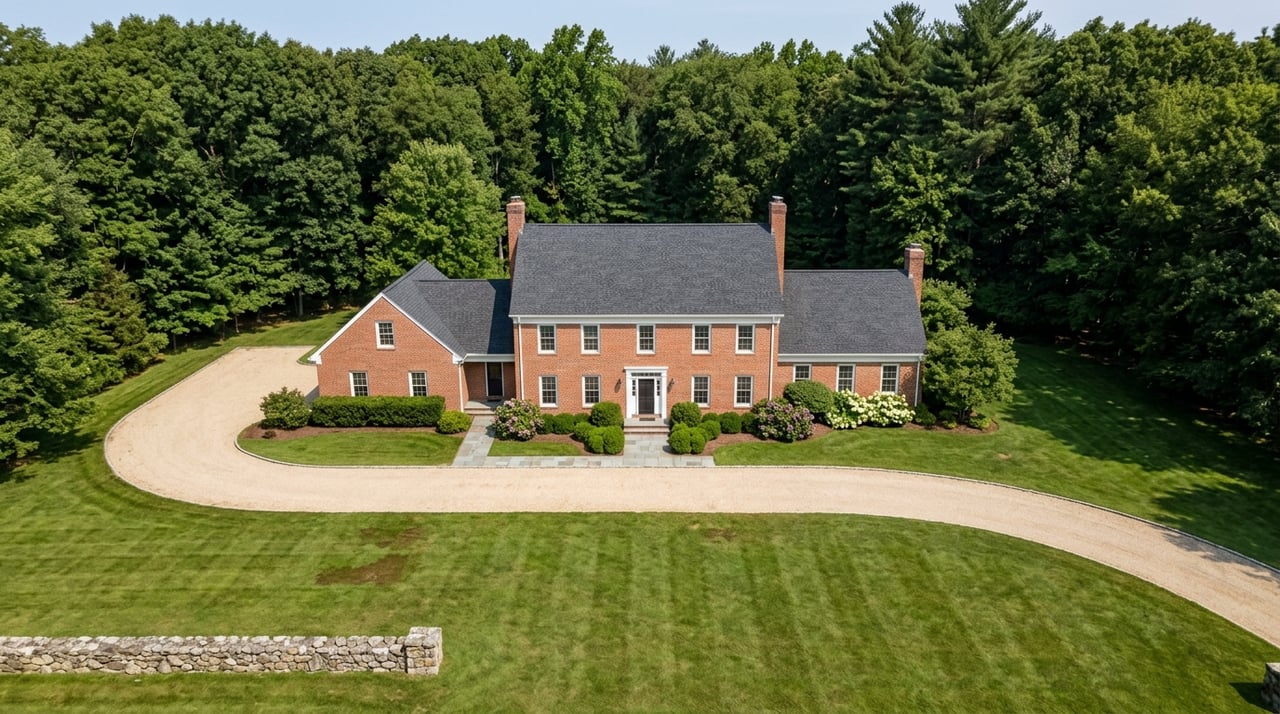
Essex remains a predominantly single-family market. Town economic development data indicated that almost 80% of the housing stock was single-family, and no multifamily units had been permitted since 2006 at that time. More recent assessment data for FY2025 show 1,002 single-family parcels, with residential property accounting for 91.08% of assessed value.
In the 2020 census, Essex had 1,662 housing units and 1,489 occupied housing units. Taken together, those figures point to a housing market that is defined more by individual homes and smaller-scale neighborhood patterns than by large apartment or condo concentrations.
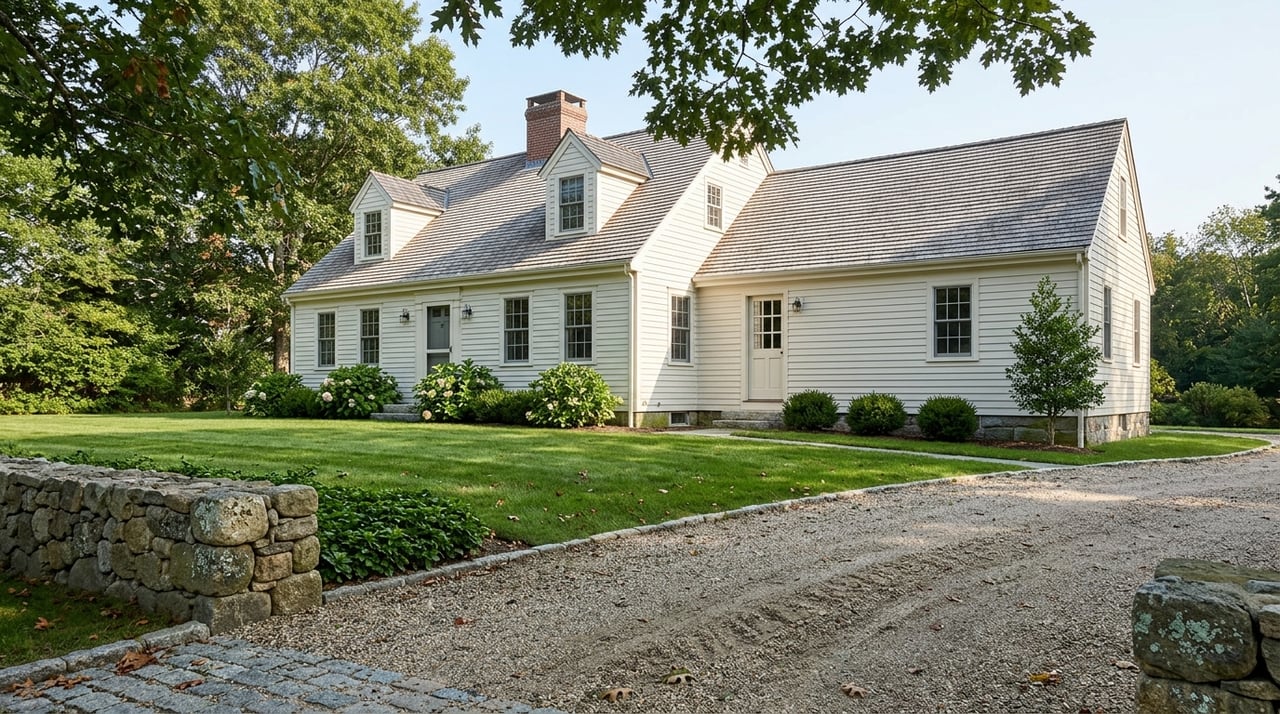
That is part of what makes Essex distinctive for buyers. The housing story here is often about antique colonials, older homes tied to Cape Ann’s history, river-adjacent properties, and scattered newer single-family development. If you are looking for a town filled with subdivisions or large multifamily complexes, Essex is generally not that market.
A Mix of Historic Character and Coastal Setting
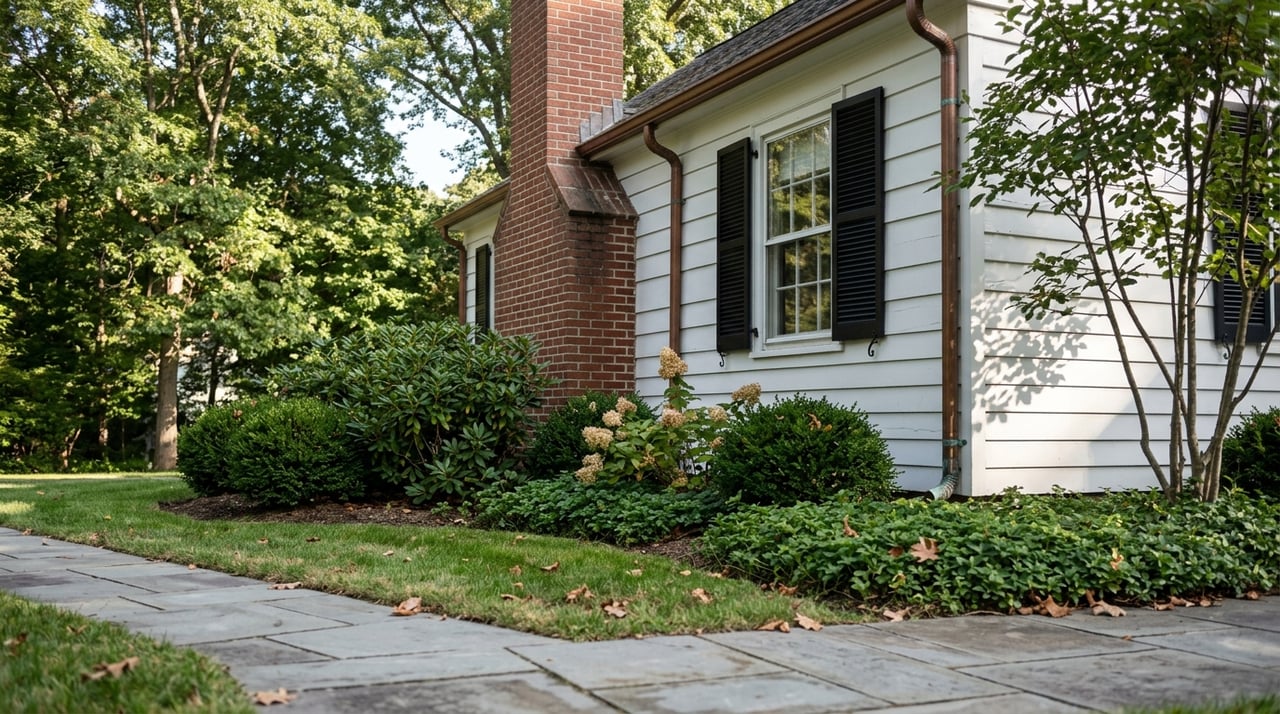
Because of Essex’s age and maritime history, many homes reflect older New England forms and materials. That can mean houses with established lot lines, mature landscaping, and details that feel tied to the town’s long development pattern. In a market like this, the appeal often comes from individuality rather than uniformity.
For design-focused buyers, that can be a major advantage. Essex supports a home search centered on architectural character, setting, and a connection to the landscape. Whether you are drawn to an older colonial, a home near the river, or a property with a tucked-away coastal feel, the town tends to reward buyers who value distinctiveness.
Housing Options Are Expanding Slowly
While Essex is still mostly single-family, there are some signs of added flexibility. The Board of Health states that accessory dwelling units are now permitted by right in single-family residential zoning districts, subject to wastewater and permitting requirements. That may create more options over time for households looking for extra living space or a more flexible property layout.
Zoning has also evolved downtown. In January 2026, Essex became Section 3A compliant after downtown zoning changes removed the minimum lot size for residential multifamily structures and increased the number of units allowed by right from four to six. The town’s 2024 annual report zoning table also shows that single-family and two-family homes are permitted in village residential districts, while multifamily and three-family conversions require special permit review.
These changes do not turn Essex into a high-density market. They do, however, suggest that the town is allowing for measured growth while preserving its established identity.
What Buyers Should Know About Inventory
Essex’s limited inventory is part of the story. The Affordable Housing Trust reports that only 2.7% of the town’s housing stock is officially recognized as affordable housing, well below the 10% safe harbor used in Massachusetts 40B policy. In practical terms, that points to a relatively constrained supply of lower-cost housing.
For buyers, that means you may need to be patient and clear about your priorities. When homes with strong location, character, or water adjacency come to market, they can stand out quickly because there are fewer direct substitutes.
For sellers, scarcity can work in your favor when your home is well-positioned and well-presented. In a town where the housing stock is so specific, thoughtful pricing and strong marketing can help your property reach the right audience.
Coastal Due Diligence Matters
If you are considering a riverfront, marsh-edge, or low-lying property, due diligence is especially important in Essex. The Conservation Commission reviews work near wetlands, floodplains, banks, riverfront areas, beaches, and surface waters under the Wetlands Protection Act. The town also maintains coastal resilience resources, including tide-gauge and flooding dashboards.
This does not mean coastal property is off-limits. It means you should take a careful, informed approach. Septic considerations, wetland constraints, and flood-related conditions may affect how a property can be used, improved, or maintained.
That is one reason local guidance matters in a town like Essex. The details of location can have a big impact, especially when a home sits close to the river, marsh, or estuary.
Who Essex May Appeal To Most
Essex tends to appeal to buyers who want a quieter coastal setting with personality. Based on the town’s size, maritime history, cultural district, mooring access, and protected landscapes, it is especially attractive if you value character, outdoor access, and a less commercial environment.
It may be a strong fit if you are looking for:
- A small-town North Shore setting
- Predominantly single-family homes
- Older homes with architectural character
- Water access and boating culture
- Conservation land and estuary views
- A Main Street environment with seafood, antiques, and local activity
If your priority is dense retail, a more conventional suburban grid, or a larger supply of newer housing, Essex may feel more limited. But if you are looking for a place with authenticity and a strong sense of coastal New England identity, that is exactly where Essex stands out.
Why Essex Stands Out on the North Shore
Many North Shore towns offer coastal appeal, but Essex has a particularly grounded feel. Its history, scale, and housing stock create a market that feels less interchangeable than more heavily built-out suburbs. You are not just buying near the coast. You are buying into a town shaped by shipbuilding, the river, and a long pattern of local life.
That can make Essex especially compelling for buyers who care about setting and story. It can also create real opportunities for sellers whose homes reflect the character that makes the town distinctive in the first place.
If you are thinking about buying or selling in Essex, a tailored strategy matters. From evaluating historic homes and coastal considerations to pricing a distinctive property in a limited-inventory market, working with a local, data-driven advisor can make the process much smoother. To talk through your goals, connect with Henry Gourdeau.
FAQs
What is Essex, MA known for?
- Essex is known for its maritime history, historic shipbuilding, seafood, antiques, Main Street cultural district, and access to the Essex River estuary and conservation land.
What types of homes are common in Essex, MA?
- Essex is primarily a single-family home market, with many buyers encountering antique colonials, older New England homes, river-adjacent properties, and limited newer single-family development.
Is Essex, MA a good fit for coastal homebuyers?
- Essex can be a strong fit if you want a quieter coastal lifestyle with water access, outdoor recreation, and historic character, especially if you value individuality over large-scale new development.
Are there zoning changes affecting housing in Essex, MA?
- Yes. Essex allows accessory dwelling units by right in single-family residential zoning districts, subject to wastewater and permitting requirements, and downtown zoning changes increased residential multifamily units allowed by right from four to six.
What should buyers review for waterfront or low-lying homes in Essex, MA?
- Buyers should carefully review wetland, floodplain, riverfront, septic, and permitting considerations, since the Conservation Commission oversees work near sensitive coastal and environmental areas.
Is housing inventory limited in Essex, MA?
- Yes. Essex has a relatively constrained housing supply, and the town reports that only 2.7% of its housing stock is officially recognized as affordable housing, which can limit lower-cost options.