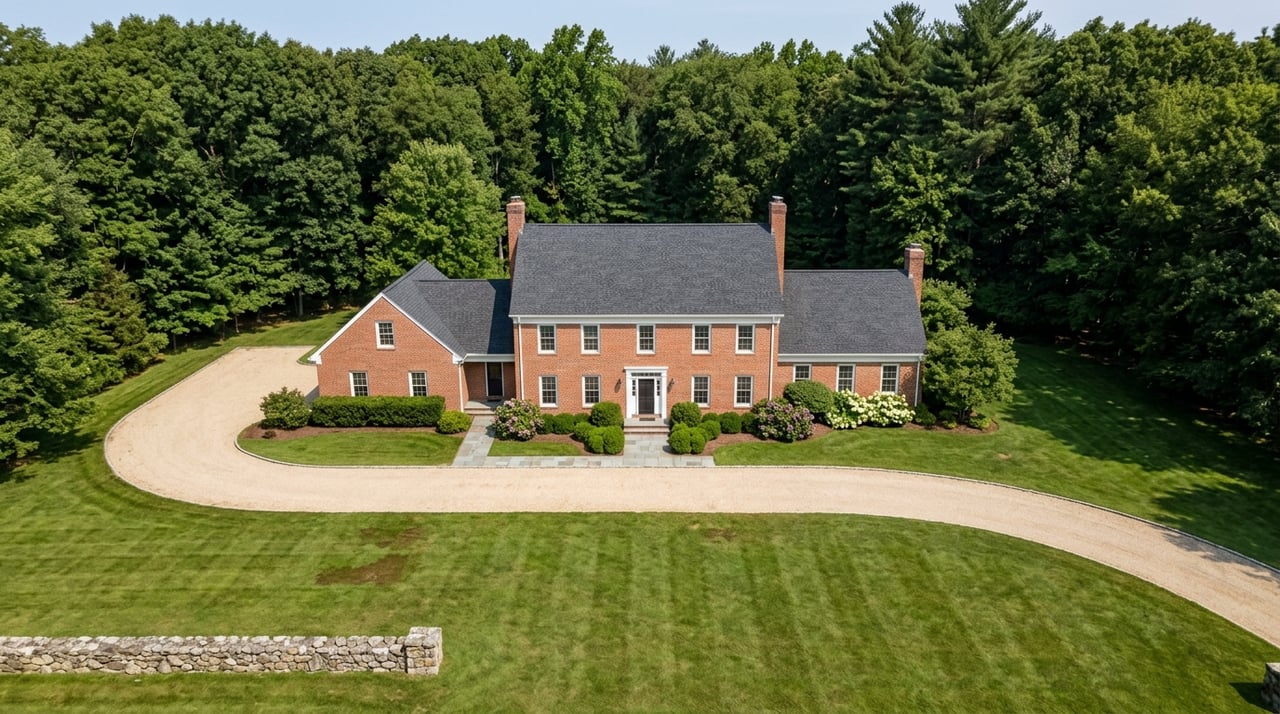
Thinking about an estate-style home in Hamilton? It is easy to focus on the house first, but in this market, the land, zoning, and setting often shape your decision just as much as the floor plan. If you want privacy, usable outdoor space, and a property that fits your long-term lifestyle, Hamilton offers a compelling mix of rural character and commuter convenience. Here is what you should know before you start your search.
Why Hamilton draws estate-style buyers
Hamilton stands out as a small rural-suburban town in Essex County with 7,561 residents spread across 14.18 square miles. With an owner-occupied housing rate of 84.7% and a median household income of $129,833, it has the feel of a community where long-term homeownership matters.
For many buyers, the appeal is the combination of space and access. The town notes that shops and businesses sit just blocks from the commuter train line, which means you can look for privacy and larger lots without giving up everyday convenience.
What estate-style means in Hamilton
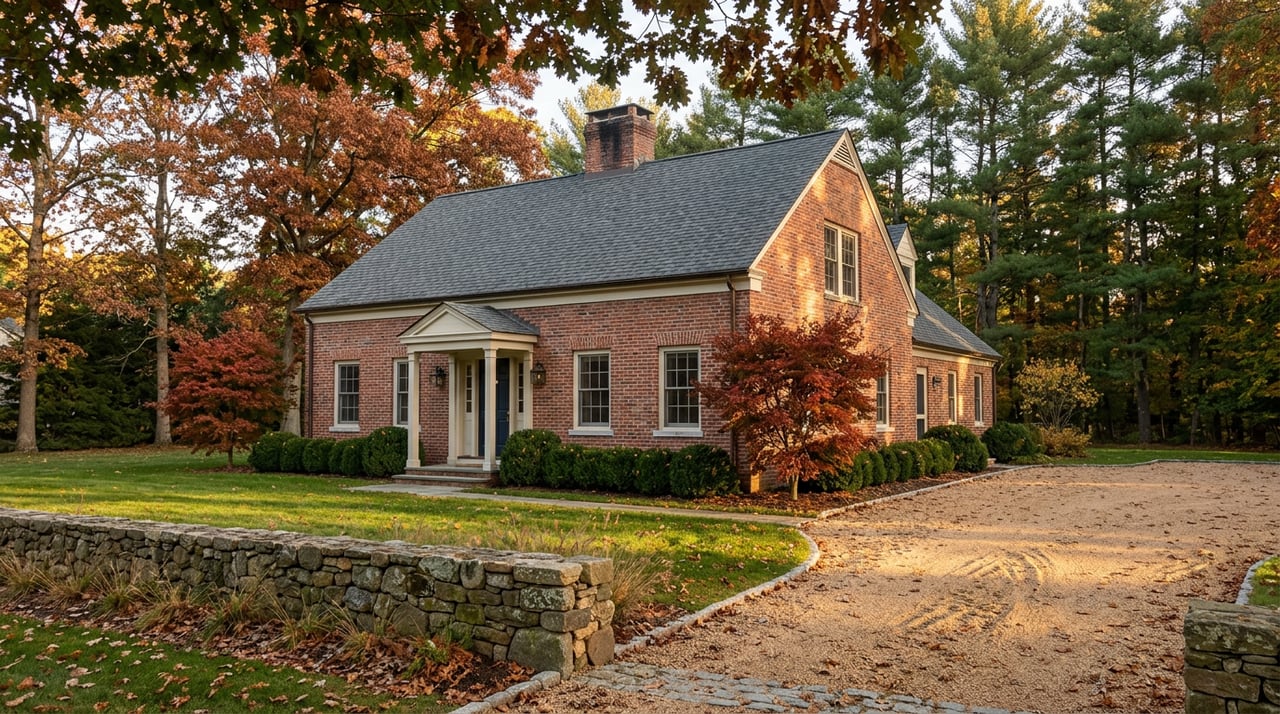
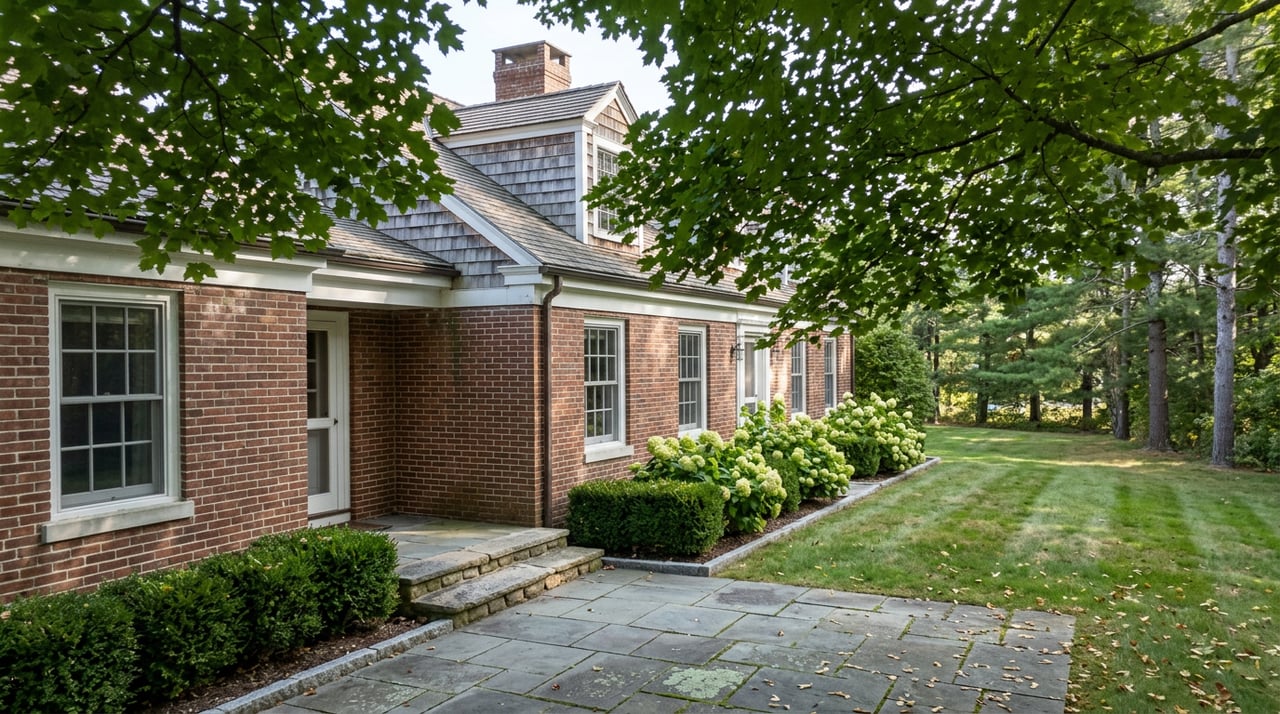
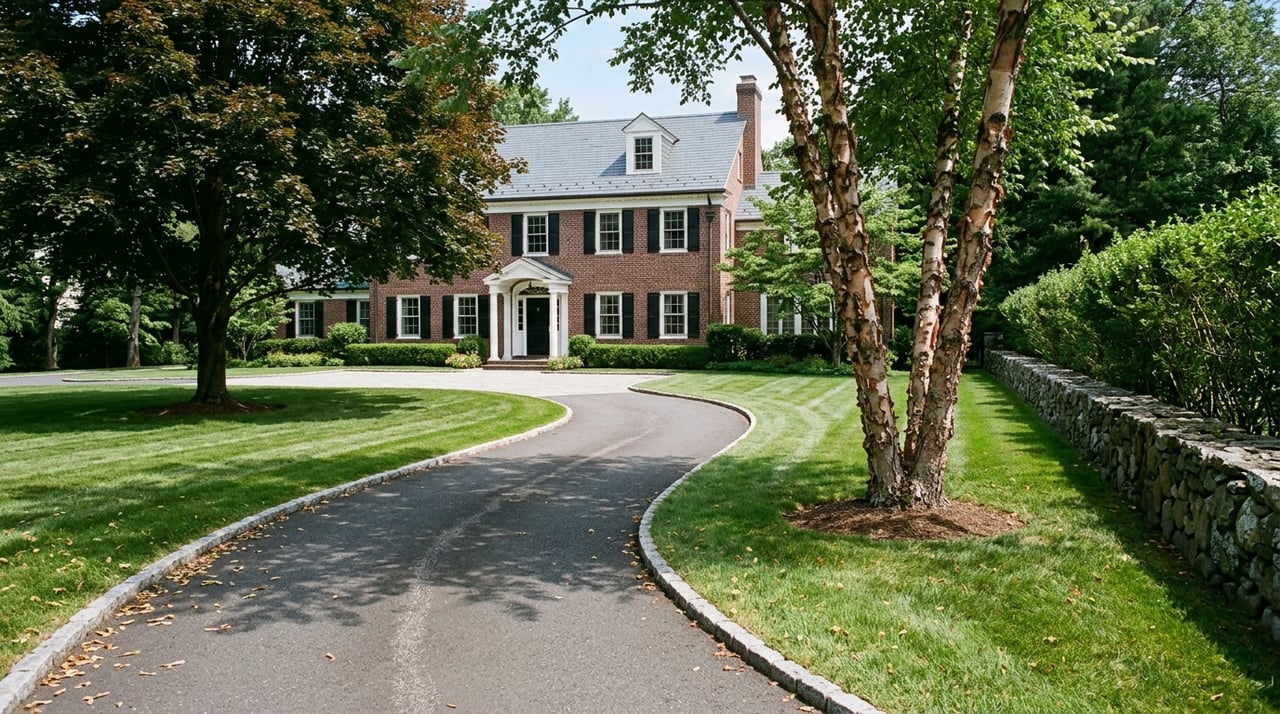
In Hamilton, estate-style usually refers to larger single-family homes with more separation from neighbors, mature landscaping, long driveways, and room for outdoor amenities. It is less about a single architectural style and more about how the home sits on the land.
That local definition lines up with the town’s zoning framework. Hamilton’s R-1A, R-1B, and RA districts allow single-family dwellings by right and set minimum lot sizes of 20,000, 40,000, and 80,000 square feet, with required frontage of 125, 175, and 175 feet.
The zoning map places many of these larger-lot districts around the outer parts of town rather than the more compact center areas. Roads such as Bay Road, Chebacco Road, Essex Street, and Asbury Street help illustrate the more rural-feeling settings that often appeal to estate buyers.
Land often matters more than square footage
When you are shopping for an estate-style home, total acreage can be helpful, but it does not tell the whole story. In Hamilton, the usability of the land may matter more than the raw lot size listed on a property sheet.
The town’s by-law excludes public or private ways and ponds or rivers when computing lot area. It also states that no part of a lot narrower than 75 feet can count toward minimum lot area. That means lot shape, frontage, and buildable area can make a real difference in how functional a property feels.
A property with slightly less acreage but a better layout may serve you better than a larger parcel with awkward dimensions. If you are comparing homes, this is one of the most important distinctions to keep in mind.
Outdoor lifestyle is a major part of the value
One reason Hamilton appeals to estate-style buyers is that the setting itself adds value. The town’s planning and preservation materials consistently emphasize open space, natural resources, recreation, and historic character.
Major protected holdings in town include Chebacco Woods, Sagamore Hill, Bradley Palmer State Park, Ipswich River Wildlife Sanctuary, Appleton Farms, and other protected land. Hamilton also offers trails for walking, biking, and equestrian use, which reinforces the town’s connection to outdoor living.
For you as a buyer, that means the experience of owning in Hamilton often extends beyond your property lines. Privacy, scenic surroundings, and access to open land can be just as important as the house itself.
Equestrian and accessory uses to consider
If your vision of estate living includes more than a large lawn, Hamilton’s zoning may support that lifestyle in practical ways. In the R-1A, R-1B, and RA districts, accessory uses can include agricultural activities, private swimming pools, tennis courts, and private garages.
On lots of at least 80,000 square feet, the by-law also allows barns, private stables, shelters, and other farm buildings for occupant use. Riding stables are allowed on parcels of five acres or more, or two qualified acres or more, in R-1A and R-1B.
That said, not every property will have the same flexibility. If a feature like a barn, stable, pool, or court matters to you, it is worth verifying exactly what the parcel and zoning allow before you make an offer.
Historic and conservation layers can affect plans
Hamilton’s estate appeal is closely tied to its history and landscape, but those same qualities can come with added considerations. The town’s preservation materials reference a Bay Road historic district with 26 properties and note the presence of large estates developed in the 19th and early 20th centuries.
Some larger holdings in town are protected by conservation restrictions, and additional land may be temporarily protected under Massachusetts Chapter 61, 61A, and 61B current-use programs. These programs provide preferential tax treatment for forest, agricultural, and recreational or open-space land.
For buyers, this is not automatically a negative. It simply means you should understand how the land is classified and whether there are any limits on future changes, uses, or improvements.
Hamilton’s market is small and property-specific
Estate-style buyers should expect a market where averages only tell part of the story. Spring 2026 data points to a small and competitive market, but the numbers vary depending on the source and what each company measures.
Redfin reported a March 2026 median sale price of $1.185 million in Hamilton, up 7.1% year over year, with a median of 14 days on market and 5 homes sold. Zillow reported a typical home value of $881,320 with 12 for-sale listings as of April 30, 2026, while Realtor.com reported a median listing price of $800,000, median days on market of 55, and 11 active listings.
These figures are best viewed as directional, not interchangeable. In a town with thin inventory and a small number of monthly sales, estate-style homes tend to trade based on privacy, acreage, condition, and presentation more than broad townwide averages.
Recent sales show the spread in value
Recent transactions highlight just how property-specific pricing can be in Hamilton. A 3,509-square-foot home on Essex Street sold for $2.6 million after 119 days and closed 4% under list price.
Another 3,152-square-foot home on Essex Street sold for $1.298 million after 39 days and closed 9% over list. A 3,008-square-foot home on Echo Cove Road sold for $1.43 million after 37 days and closed 5% under list.
There is also an active example that helps frame the upper end of current asking prices: a 5-bedroom, 5.5-bath, 5,875-square-foot home on 1.94 acres on Autumn Lane listed at $2.199 million. The key takeaway is that two homes in the same town can perform very differently depending on land usability, privacy, condition, and how the property is positioned.
What to verify before making an offer
Before you move forward on an estate-style property in Hamilton, take time to confirm the basics that shape long-term value and usability.
Check zoning and lot standards
Confirm the zoning district, minimum lot area, and required frontage. If the estate appeal depends on a future pool, barn, stable, or court, verify whether those uses are allowed as of right or need additional review.
Review conservation and tax status
Ask whether the parcel is subject to a conservation restriction or enrolled in Chapter 61, 61A, or 61B. These designations can affect both ownership economics and what you can do with the land over time.
Understand historic context
If the property is located in or near a historic area such as Bay Road’s historic district, exterior changes may require more care. It is smart to understand that context early so your expectations match the property.
Budget for upkeep
Estate living often means more ongoing maintenance. Larger grounds and accessory amenities such as pools, tennis courts, barns, and stables can add meaningful seasonal and long-term costs.
Think about resale from day one
Even if you plan to stay for years, it helps to buy with resale in mind. In Hamilton, the strongest estate-style homes are often the ones that combine privacy, usable land, and a manageable maintenance load.
That does not always mean the biggest lot wins. A well-positioned property with practical outdoor space, a strong setting, and a house in solid condition may have broader appeal than a much larger parcel that is harder to maintain or less flexible.
If you are considering an estate-style home in Hamilton, the best approach is a careful one. A local, data-driven review of the land, zoning, and market context can help you separate a beautiful property from a smart purchase. When you are ready to evaluate homes with that level of detail, Henry Gourdeau can help you navigate the search with local insight and a tailored strategy.
FAQs
What defines an estate-style home in Hamilton, MA?
- In Hamilton, estate-style homes typically mean larger single-family properties with privacy, mature landscaping, long driveways, and room for amenities like pools, tennis courts, barns, or stables, depending on zoning and lot size.
What zoning matters for estate-style homes in Hamilton?
- The key districts are R-1A, R-1B, and RA, which allow single-family homes by right and set minimum lot sizes of 20,000, 40,000, and 80,000 square feet, along with frontage requirements.
What should buyers verify about land in Hamilton?
- You should verify zoning, frontage, usable lot area, conservation restrictions, current-use tax program status, and whether desired accessory uses are permitted on the parcel.
Are Hamilton estate-style properties good for equestrian use?
- Some can be, especially where zoning and lot size support barns, private stables, or riding stables, but the exact use depends on the parcel and district, so it should be confirmed before purchase.
How competitive is the Hamilton real estate market?
- Spring 2026 data suggests Hamilton is a small, competitive market, but estate-style home pricing can vary widely based on privacy, acreage, condition, and presentation rather than market averages alone.