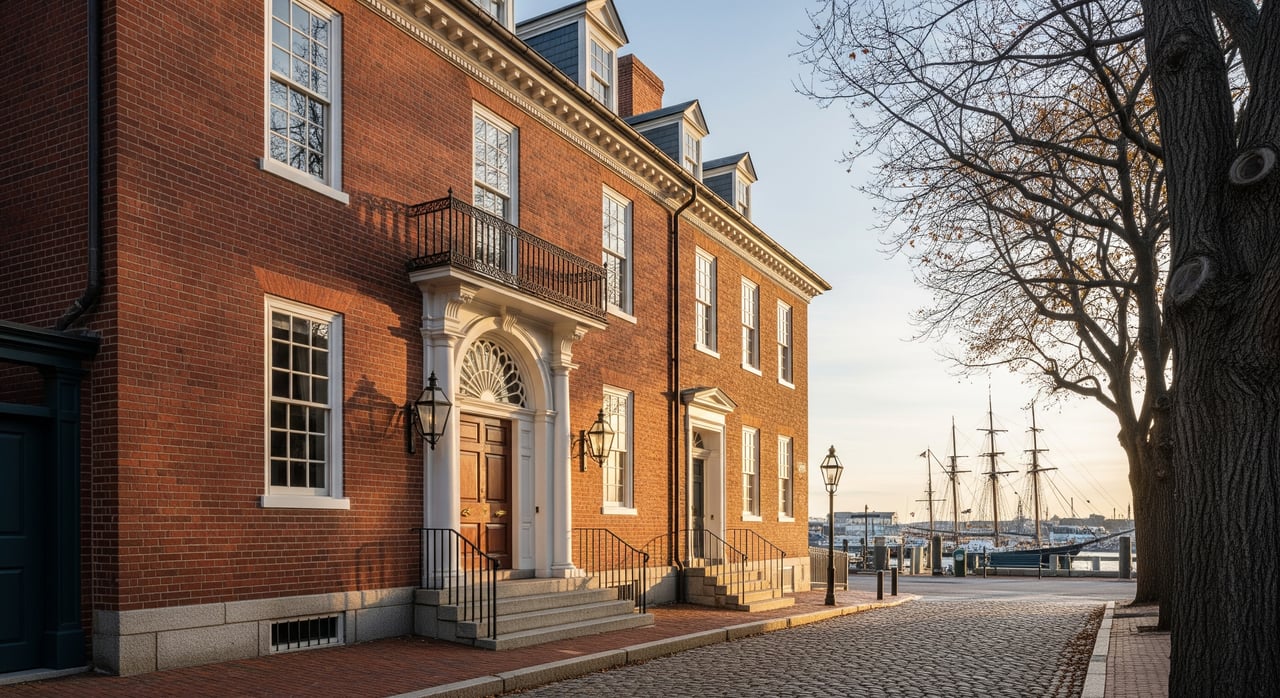
Thinking about buying a home in Salem, MA? You’re not alone. Salem blends New England charm, coastal access, and commuter convenience, which is why homes here often attract serious attention. If you want to move with confidence, you need a clear plan and local know-how tailored to historic housing, condos, flood considerations, and competitive offers. In this guide, you’ll learn the exact steps, what to watch for, and how to protect your investment in Salem. Let’s dive in.
Why Salem stands out
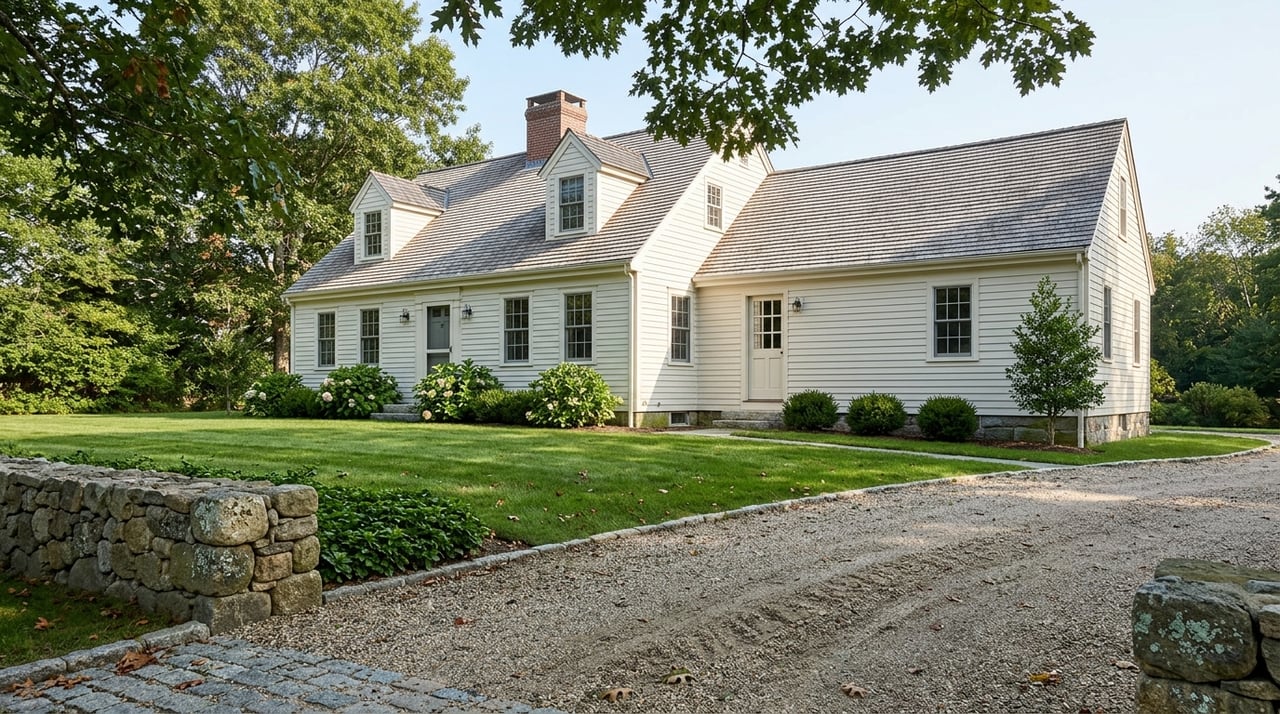
Salem offers a mix of home types, from 18th and 19th‑century single‑family homes to condo conversions near downtown and the waterfront. Many areas feature preserved architecture, including the McIntire District and central neighborhoods with historic character. You also have MBTA commuter rail access and proximity to Boston, which keeps demand strong.
Because of Salem’s age and coastal location, you should prepare for specialized due diligence. Older systems, potential lead paint in pre‑1978 homes, and flood‑zone checks are common. Competitive homes can draw multiple offers, so having financing and strategy in place is essential.
Your step‑by‑step roadmap
Buying in Massachusetts follows a consistent flow. Here is the process you can expect in Salem.
Get financially ready
- Secure a mortgage pre‑approval. Lenders will ask for W‑2s, pay stubs, bank statements, tax returns, and asset verification.
- Gather proof of funds for your earnest money and down payment.
- If you are a first‑time buyer, explore state and local programs through MassHousing and city or county resources to lower upfront costs.
Choose the right buyer’s agent
- Work with an agent who knows Salem’s historic districts, waterfront pockets, and multi‑family stock.
- If you plan to buy a condo, prioritize agents experienced in condo documents and project reviews.
Tour homes with early due diligence
- If you plan exterior changes, confirm whether the home falls within a local historic district and what approvals you may need.
- For older homes, ask about the roof, heating system, electrical panel, plumbing, oil tanks, and any known lead paint or asbestos.
- For near‑water properties, review flood‑zone status and any history of flooding.
Craft a competitive Salem offer
- Your offer typically includes price, earnest money, closing date, and contingencies (inspection, financing, appraisal). Condo purchases may include association approval or lender requirements tied to the association.
- In a competitive setting, you may see escalation clauses, larger deposits, or shorter contingency periods. Understand the tradeoffs before adjusting protections. Waiving contingencies increases risk, so consult your lender and attorney.
Inspect and protect your investment
- Schedule a general home inspection to evaluate structure, roof, electrical, plumbing, and HVAC.
- For homes built before 1978, review the required lead‑based paint disclosure and consider testing.
- Consider radon testing. Many Massachusetts buyers add this for peace of mind.
- Investigate the presence or history of oil tanks, especially buried tanks, due to potential environmental liability.
- If a property has a septic system, a Title V inspection and any required repairs are part of the process. Many Salem homes are on municipal sewer, but verify early.
Work with an attorney and finalize closing
- In Massachusetts, it is common for both sides to have real estate attorneys. Your attorney will review the purchase, handle title work, and coordinate the deed recording.
- Expect a 30–60 day closing timeline depending on financing and negotiations.
Condo buyers: key documents
Salem’s condo market includes many historic conversions and downtown/waterfront buildings. Before you commit, request and review:
- Master deed, declaration, and bylaws
- Budget, recent financials, and any reserve study
- Meeting minutes for the last 12–24 months
- Details on assessments, litigation, rental and pet policies
- Insurance certificate and deductible levels
Your lender may require that the association meets Fannie Mae or Freddie Mac standards. High rental percentages, pending litigation, or weak reserves can affect financing. Start this review early, and align your offer timelines with what you need to evaluate.
Historic districts and exterior changes
Many central Salem neighborhoods fall under local or National Register historic districts. If you plan to change siding, windows, or other exterior elements, you may need review and a Certificate of Appropriateness from the Salem Historical Commission. Confirm district boundaries, guidelines, and timelines before you write an offer if renovations are part of your plan.
Flood risk and coastal factors
Parts of Salem sit on the harbor and low‑lying coastal areas. Even if a property is not within a Special Flood Hazard Area, it can still face risk and insurance considerations. Ask about previous flood events and claims, and review current maps and local guidance on coastal resilience. These factors can influence long‑term costs and future renovations.
Lead, radon, and older systems
For pre‑1978 homes, federal law requires a lead‑based paint disclosure, and many buyers test during the inspection period. Radon testing is also common in Massachusetts. In older homes, ask about knob‑and‑tube wiring and the age of heating and plumbing systems. Plan for professional evaluations and potential upgrades as part of your budget.
Financing and appraisal realities
You can use conventional, FHA, VA, or USDA loans, depending on your eligibility and property type. In fast‑moving markets, appraisals sometimes lag aggressive offer prices. Be prepared to discuss appraisal gaps with your lender and to negotiate with the seller if needed. For condos, make sure the association’s financials and owner‑occupancy rates align with your loan program.
Closing costs and monthly expenses
Plan for:
- Down payment per your loan program
- Closing costs, including lender fees, attorney/title charges, recording fees, and prorated taxes
- Homeowners insurance and, if applicable, flood insurance
- Monthly condo or HOA fees and potential assessments
- A reserve for near‑term repairs, especially in older homes
If you qualify, explore down payment assistance or homebuyer counseling through state or local programs to help reduce upfront costs.
Pre‑tour prep checklist
Before you start touring, gather:
- Mortgage pre‑approval and proof of funds
- A list of must‑have features and neighborhoods
- Commute needs, including MBTA access
- Preferences on condo vs. single‑family living
- Comfort level with renovations and historic restrictions
Smart questions to ask early
- Is the home in a local historic district, and what exterior changes require approval?
- Is the property on municipal sewer or a private septic system? If septic, when was the last Title V inspection?
- How old are the roof, heating system, electrical panel, and plumbing? Any known issues?
- Are there known environmental concerns such as buried oil tanks, lead paint, or radon?
- For condos: What do the budget and reserves look like? Any pending assessments or litigation? What is the owner‑occupancy rate?
- What is the flood‑zone status and any flood claim history?
Bring it all together
Success in Salem comes from preparation and local insight. Understand the character of each neighborhood, plan for the realities of historic homes and coastal living, and review condo associations with care. With the right team and a clear plan, you can compete effectively and feel confident at every step.
If you want a guided, data‑informed path to your next home, connect with Henry Gourdeau for a focused search and clear strategy.
FAQs
What should first‑time buyers in Salem expect?
- Expect older homes, potential historic restrictions, and competitive offers. Get pre‑approved early, budget for inspections, and plan for possible appraisal gaps.
How do Salem historic districts affect renovations?
- Exterior changes in local historic districts often require review and a Certificate of Appropriateness. Confirm rules and timelines before you plan renovations.
What inspections are most important for older Salem homes?
- A general inspection, lead‑based paint review for pre‑1978 homes, radon testing, and checks for oil tanks or outdated wiring are common priorities.
What condo documents should I review in Salem?
- Review the master deed, bylaws, budget, reserves, meeting minutes, insurance certificate, and any assessments or litigation that could affect costs or financing.
Do I need flood insurance in Salem?
- It depends on the property’s flood‑zone designation and lender requirements. Even outside high‑risk zones, near‑water homes may benefit from coverage.
How long is a typical closing timeline in Massachusetts?
- Most closings take 30–60 days, depending on financing, negotiations, and the complexity of inspections and title work.