Salt air, art studios, and sandy walks at sunset sound perfect until you start asking practical questions about winters, parking, flood maps, and mooring wait lists. If you’re picturing a year-round life in Gloucester, you want a neighborhood that fits your pace and the logistics that come with coastal living. In this guide, you’ll get a clear look at Gloucester’s key areas, price signals, beach and harbor rules, and everyday services so you can move with confidence. Let’s dive in.
How Gloucester fits year-round coastal life
Gloucester offers a true working-waterfront culture with a wide range of homes, from harbor-adjacent condos to classic capes and larger inland parcels. Public market trackers reported a citywide median price in the mid-700Ks through late 2025 and early 2026, with a roughly 95-day median time on market. December 2025 snapshots showed neighborhood medians diverging widely, with Central Gloucester lower than the city median and West and East Gloucester trending higher. Seasonality and proximity to the water drive meaningful differences, so focus on the micro-neighborhood that fits your lifestyle.
Neighborhood profiles to know
Harbor-adjacent: Downtown, Rocky Neck, Eastern Point
If you want daily contact with the water and a short walk to galleries and restaurants, start here. You’ll see fishing vessels, whale-watch boats, and working piers as part of everyday life, supported by a waterfront protected for port uses under the city’s long-term harbor strategy. Get a feel for the maritime focus in the city’s Municipal Harbor Plan overview. Parts of Central Gloucester also fall within a local historic district, so confirm exterior-change rules with the Historic District Commission if you plan upgrades.
Homes range from historic captain’s houses and shingle-style residences to walk-up condos over storefronts. Pricing swings with water views, renovation level, and any private shoreline rights. Expect a true urban-coastal energy year-round.
Beach-proximate: Good Harbor, Wingaersheek, Pavilion/Stage Fort Park, Magnolia
This is the sand-and-surf lifestyle. Good Harbor and Wingaersheek are Gloucester’s signature beaches, with lifeguard seasons that typically run from Memorial Day through Labor Day and a managed parking system during peak months. Review current rules, fees, and dates in the city’s beach and parking guidance.
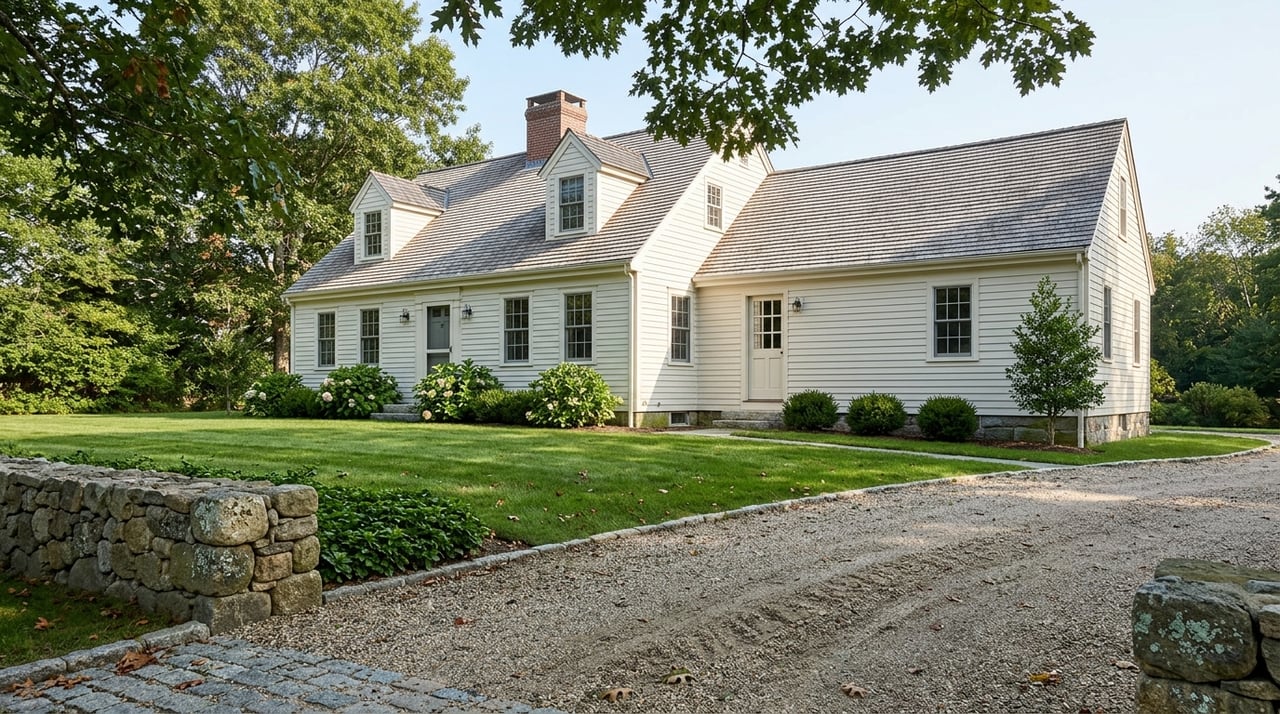
Housing here includes updated seasonal cottages, year-round capes, and renovated homes within walking or biking distance of the shore. Summer visitor volume is part of the equation, which many residents balance by enjoying quieter shoulder seasons and knowing the parking playbook.
Residential & village feel: Riverdale, Lanesville, Folly Cove, Bay View, West Gloucester
If you want more interior space, trees, and quieter streets while staying close to the coast, these areas often deliver. You’ll find a mix of single-family colonials and capes, some multifamily options, and occasional newer construction on infill lots. These neighborhoods are popular with buyers who want a coastal lifestyle without the daily bustle near major beaches.
Price points vary by lot size, updates, and access to commuter routes. Many streets feel neighborhood-focused and calm in all seasons, which can make winter living straightforward.
Small-village identity: Annisquam and Magnolia
Annisquam and Magnolia read as classic New England villages within city limits. Expect scenic coves, a strong sense of place, and a slower rhythm compared with downtown. Drives to services are longer, but privacy and relaxed streets often top the list of reasons people choose these enclaves.
Homes range from traditional cottages to historically notable properties on larger lots. If you value a quiet village ambiance with coastal access, put these on your shortlist.
The practical side of coastal living
Flood risk, sea-level rise, and insurance
Coastal due diligence is essential in Gloucester. The city completed a comprehensive climate vulnerability assessment that maps flood scenarios and outlines adaptation planning. Use the city’s assessment together with the Massachusetts sea-level rise and coastal flooding viewer and the FEMA National Flood Hazard Layer to evaluate both current FEMA zones and modeled future risk.
Quick steps to protect your purchase:
- Pull parcel-level FEMA data and confirm whether your lender will require flood insurance.
- Check projected 2030, 2050, and 2070 scenarios for your street and access routes.
- Budget for elevation certificates and discuss mitigation options with your insurer if needed.
Boating, moorings, and harbor rules
If time on the water is part of your plan, understand Gloucester’s mooring system early. The Harbormaster manages separate wait lists by area, with annual renewals and seasonal demand. Review the current process, fees, and availability on the city’s Mooring Wait List page.
For properties with shoreline or dock ambitions, confirm any Chapter 91 licensing considerations and whether a parcel sits near the city’s Designated Port Area, where working-waterfront protections shape use. Your purchase contract should clarify what, if anything, transfers regarding mooring rights.
Beaches, parking, and seasonal rhythms
Gloucester’s beach rules differ for residents and visitors, and they can change by season. Resident stickers, online parking reservations, and lifeguard staffing windows affect your day-to-day in summer. Reviewing the city’s beach and parking guidance before you buy helps you choose the right location for your routines.
Transit and commuting
Many residents drive or mix local shuttles with commuter rail connections for regional access. The Cape Ann Transportation Authority operates fixed routes and shuttles that connect neighborhoods to services and transit. Check routes and schedules on the CATA website, and map your door-to-door time from each neighborhood you’re considering.
Health care, schools, and civic services
Addison Gilbert Hospital provides local inpatient and outpatient services as part of the Beth Israel Lahey Health network. Explore network resources via Lahey Health and confirm exact care options near your address. For education questions, review Gloucester Public Schools information and neutral state data through the Massachusetts DESE profile for Gloucester High.
Quick neighborhood match-ups
- You want daily harbor life, galleries, and restaurants: Downtown, Rocky Neck, and Eastern Point place you near the working waterfront, HarborWalk, and arts scene.
- You want easy beach days and sandbars: Good Harbor, Wingaersheek, and Pavilion/Stage Fort Park make sandy mornings simple if you follow seasonal parking rules.
- You want quiet streets and more yard space: Riverdale, Lanesville, Bay View, and parts of West Gloucester often offer larger lots and a calmer pace.
- You want a small-village retreat: Annisquam and Magnolia deliver a classic village feel with scenic coves and a bit more privacy.
Buyer checklist for Gloucester homes
Use this as a quick due-diligence guide while you tour:
- Flood and future inundation. Check the city’s climate assessment, the state sea-level viewer, and FEMA NFHL for your specific parcel.
- Moorings and boat access. If a mooring matters, review the Harbormaster’s wait lists and fees early.
- Beach logistics. Confirm seasonal parking rules and whether your address qualifies for resident stickers.
- Historic and design review. If you are eyeing Central Gloucester or another historic area, confirm exterior-change rules with the Historic District Commission.
- Zoning and waterfront use. Near the harbor, understand Designated Port Area policies that support working waterfront uses.
- Services and commute. Confirm access to health care, school information, and your route options via CATA and regional connections.
Choosing the right Gloucester neighborhood is about blending the lifestyle you want with smart coastal due diligence. If you’d like a tailored plan, neighborhood tours, or price guidance specific to your short list, connect with Henry Gourdeau to get local, data-informed advice backed by premier marketing. Schedule your free consultation.
FAQs
What Gloucester neighborhoods offer the easiest year-round beach access?
- Good Harbor, Wingaersheek, and Pavilion/Stage Fort Park areas put you closest to major beaches. Review the city’s current beach and parking guidance to understand resident stickers and seasonal rules.
How do I evaluate flood risk for a specific Gloucester address?
- Combine three tools: the city’s climate vulnerability assessment, the state sea-level viewer, and the FEMA NFHL for current and future scenarios.
What should I know about getting a mooring in Gloucester?
- The Harbormaster manages separate, high-demand wait lists by area with annual renewals; start early and review details on the Mooring Wait List page.
How realistic is a Boston commute from Gloucester?
- Many residents mix driving with local shuttles and commuter-rail connections; use the CATA route information and regional trip planners to check door-to-door times from your target neighborhood.
Are there historic or design restrictions on downtown renovations?
- Parts of Central Gloucester require design review for exterior changes; confirm whether a property lies in a local district with the Historic District Commission.